<?xml version="1.0" encoding="utf-8"?><feed xmlns="http://www.w3.org/2005/Atom" ><generator uri="https://jekyllrb.com/" version="3.10.0">Jekyll</generator><link href="https://www.aryxlumina.xyz/feed.xml" rel="self" type="application/atom+xml" /><link href="https://www.aryxlumina.xyz/" rel="alternate" type="text/html" /><updated>2026-04-20T04:57:55+00:00</updated><id>https://www.aryxlumina.xyz/feed.xml</id><title type="html">ARYX Lumina · Health &amp;amp; Beauty</title><subtitle>Aryx Lumina your trusted guide to skincare, hair care, beauty tips, and wellness. Expert advice, honest reviews &amp; natural remedies for radiant health.</subtitle><entry><title type="html">Essential Oils: Benefits and How to Use Them</title><link href="https://www.aryxlumina.xyz/essential-oils-benefits-how-to-use" rel="alternate" type="text/html" title="Essential Oils: Benefits and How to Use Them" /><published>2026-04-20T04:15:00+00:00</published><updated>2026-04-20T04:15:00+00:00</updated><id>https://www.aryxlumina.xyz/essential-oils-benefits-how-to-use</id><content type="html" xml:base="https://www.aryxlumina.xyz/essential-oils-benefits-how-to-use"><![CDATA[<script type="application/ld+json">
{
  "@context": "https://schema.org",
  "@type": "Article",
  "headline": "Essential Oils: Benefits and How to Use Them",
  "description": "Essential oils have real uses and real risks. Here is what lavender, tea tree, and peppermint actually do and how to use them safely.",
  "author": {"@type": "Person", "name": "Aryx K."},
  "publisher": {"@type": "Organization", "name": "ARYX Lumina", "logo": {"@type": "ImageObject", "url": "https://www.aryxlumina.xyz/favicon.ico"}},
  "datePublished": "2026-04-10",
  "mainEntityOfPage": {"@type": "WebPage", "@id": "https://www.aryxlumina.xyz/essential-oils-benefits-how-to-use"},
  "image": {"@type": "ImageObject", "url": "https://i.ibb.co/5XX7MQTK/Essential-oil-bottles-202604090257.jpg", "width": 800, "height": 500},
  "articleSection": "Natural & DIY",
  "keywords": "essential oils benefits and uses, lavender oil for sleep evidence, tea tree oil for acne research, peppermint oil headache relief, eucalyptus oil for congestion, how to use essential oils safely, essential oils carrier oil dilution, aromatherapy evidence based research, essential oils for skin care"
}
</script>

<p>The essential oil market is valued at around 28 billion dollars globally in 2025, with projections suggesting it could reach 56 billion by 2033. That is a lot of money riding on small brown bottles. And the claims attached to those bottles range from well-supported to completely fabricated.</p>

<p>Essential oils are not snake oil. Several of them have real, documented effects on specific conditions. But the wellness industry has taken that kernel of truth and built an entire mythology around it that the research does not support. The gap between what essential oils can do and what some brands claim they can do is significant.</p>

<p>Here is what the science actually shows, which oils are worth using, and how to avoid the mistakes that turn a safe remedy into a genuine skin or respiratory problem.</p>

<h2 id="what-essential-oils-actually-are">What Essential Oils Actually Are</h2>

<p>Essential oils are concentrated plant extracts produced mostly through steam distillation. Raw plant material, whether flowers, leaves, bark, or seeds, is exposed to steam that vaporizes the volatile compounds. Those vapors condense back into liquid, which separates into water and oil. The oil layer, dense with the plant’s aromatic and bioactive compounds, is the essential oil.</p>

<p>Because the extraction concentrates these compounds, essential oils are significantly more potent than the plant they come from. A single drop of peppermint essential oil is equivalent to roughly 28 cups of peppermint tea in terms of menthol concentration. This is why dilution is not optional. It is basic chemistry.</p>

<p>The quality of essential oils varies enormously. There is no regulatory body in most countries that verifies the purity or concentration of essential oils before they go to market. A bottle labeled “100% pure lavender oil” may contain adulterated product, added synthetic compounds, or simply a diluted version of what is claimed. Buying from companies that provide third-party testing and gas chromatography results is genuinely important, not just marketing caution.</p>

<h2 id="lavender-the-best-evidence-of-any-essential-oil">Lavender: The Best Evidence of Any Essential Oil</h2>

<p>Lavender oil has more clinical trial data behind it than any other essential oil, and the evidence is consistent enough to take seriously.</p>

<p><strong>Sleep and anxiety:</strong> Multiple randomized controlled trials have found lavender oil inhalation reduces anxiety and improves sleep quality in various populations including ICU patients, preoperative patients, and people with generalized anxiety disorder. A systematic review of 15 studies at the University of Minnesota found evidence supporting its effectiveness as a sleep aid. The mechanism appears to involve lavender’s main compounds, linalool and linalyl acetate, acting on GABA receptors in the brain in a manner similar but weaker than benzodiazepines.</p>

<p><strong>Wound healing:</strong> Clinical trials have confirmed faster healing rates for burns and minor wounds with topical lavender application in a properly diluted carrier oil.</p>

<p><strong>Skin:</strong> A 2025 systematic review of 70 studies published in Frontiers in Medicine found lavender oil showed promising anti-inflammatory properties and skin barrier repair effects, making it useful for sensitive and irritated skin. If you are building a broader routine around it, the guide on <a href="https://www.aryxlumina.xyz/best-skin-care-routine-beginners">skincare routines for beginners</a> covers where to layer oil-based products.</p>

<p>For sleep: diffuse lavender in the bedroom for 20 to 30 minutes before sleep, or apply a couple of drops diluted in a carrier oil to the wrists or temples. For wound support: 2 to 3 drops in a teaspoon of coconut or jojoba oil applied to minor burns or insect bites.</p>

<p>One caution that deserves attention: lavender oil has demonstrated estrogenic and antiandrogenic activity in laboratory studies. Two case report series have linked topical lavender oil use to gynecomastia in prepubescent boys. The European Commission’s Scientific Committee on Consumer Safety considered the evidence but did not find it conclusive. Given the uncertainty, using lavender products around young children, especially boys, warrants some caution.</p>

<figure>
<img src="https://i.ibb.co/5XX7MQTK/Essential-oil-bottles-202604090257.jpg" alt="Essential oils bottles lavender tea tree peppermint on wooden surface" style="max-width:100%;border-radius:10px;margin:20px 0;" loading="lazy" width="800" height="auto" />
<figcaption style="text-align:center;font-size:13px;color:#666;">Essential oils bottles lavender tea tree peppermint on wooden surface.</figcaption>
</figure>

<h2 id="tea-tree-oil-genuine-antimicrobial-real-risks">Tea Tree Oil: Genuine Antimicrobial, Real Risks</h2>

<p>Tea tree oil, extracted from Melaleuca alternifolia, is one of the few essential oils with a pharmacological mechanism that is well understood and consistently replicated in research. Its primary active compound, terpinen-4-ol, has demonstrated antibacterial, antifungal, and antiviral activity across multiple studies.</p>

<p><strong>Acne:</strong> Multiple clinical trials have compared tea tree oil gel to benzoyl peroxide for acne. Tea tree oil works more slowly but with significantly fewer side effects. A concentration of 5% in a gel or cream applied once or twice daily reduces acne lesion counts with low irritation risk for most people. This is legitimate and the research is solid.</p>

<p><strong>Fungal infections:</strong> Tea tree oil at 25 to 50% concentration has evidence for athlete’s foot and nail fungal infections. Lower concentrations are less effective for fungal conditions than for acne.</p>

<p><strong>Scalp:</strong> Diluted tea tree oil in shampoo reduces dandruff severity in clinical trials, likely through its antifungal effects on Malassezia yeast, which drives many cases of dandruff.</p>

<p>The risks are also real. Undiluted tea tree oil causes contact dermatitis in a meaningful proportion of users. Some people develop sensitization over time with repeated exposure. It should never be ingested, as it causes serious toxicity including confusion and loss of muscle coordination. Like lavender, it has demonstrated estrogenic effects in laboratory studies and the same caution around prepubescent boys applies.</p>

<p>The appropriate dilution for topical use is around 5% in a carrier oil, which is roughly 3 drops per teaspoon of carrier.</p>

<h2 id="peppermint-oil-two-uses-with-solid-evidence">Peppermint Oil: Two Uses With Solid Evidence</h2>

<p>If you have read our article on <a href="/home-remedies-that-actually-work">home remedies</a>, you already know that peppermint oil has decent evidence for tension headaches and IBS. The essential oil version is worth expanding on.</p>

<p><strong>Headaches:</strong> A controlled trial found that 10% peppermint oil solution applied to the forehead and temples reduced tension headache intensity significantly within 15 minutes, with effects persisting through the full observation period. The menthol in peppermint oil activates cold-sensitive receptors in the skin (TRPM8 channels) and causes muscle relaxation underneath. This is a real physiological mechanism, not placebo.</p>

<p><strong>Cognitive function:</strong> Several studies have found peppermint aroma improves alertness and memory performance in cognitive testing. The effect is modest but consistent enough across studies to be interesting. Diffusing peppermint oil in a workspace during tasks requiring focus has a reasonable evidence base.</p>

<p><strong>IBS:</strong> Enteric-coated peppermint oil capsules specifically have strong evidence for IBS. This is the oral supplementation route rather than topical use or aromatherapy, but it is worth mentioning because the distinction between essential oil application methods matters significantly for outcomes.</p>

<p>What peppermint should not be used for: applying it near the face or chest of infants and young children. Menthol causes reflex slowing of breathing in very young children and can be dangerous. This is not a theoretical risk. It has caused serious harm and multiple medical organizations explicitly warn against it.</p>

<figure>
<img src="https://i.ibb.co/r2WfPy65/Person-inhaling-essential-202604090257.jpg" alt="Person inhaling peppermint essential oil from hands cupped over face" style="max-width:100%;border-radius:10px;margin:20px 0;" loading="lazy" width="800" height="auto" />
<figcaption style="text-align:center;font-size:13px;color:#666;">Person inhaling peppermint essential oil from hands cupped over face.</figcaption>
</figure>
<p><em>Peppermint oil applied to the temples has clinical trial evidence for reducing tension headache intensity within 15 minutes.</em></p>

<h2 id="eucalyptus-oil-respiratory-support-with-real-limitations">Eucalyptus Oil: Respiratory Support With Real Limitations</h2>

<p>Eucalyptus oil contains 60 to 85% cineole (also called eucalyptol), a compound with documented anti-inflammatory and expectorant effects. Its primary mechanism relevant to respiratory symptoms is suppressing genes that drive mucus overproduction while reducing inflammation in the airways.</p>

<p>Inhalation of eucalyptus oil in steam has evidence for relieving congestion in adults with colds, sinusitis, and bronchitis. A 2025 review confirmed benefits for cold-season respiratory symptoms through inhalation. The practical method: 3 to 5 drops in a bowl of hot water, drape a towel over your head, and breathe the steam for a few minutes. It can also be diffused or added to a warm bath.</p>

<p>The limitations: eucalyptus oil should not be applied directly to the chest, face, or under the nose of children under 6. It should absolutely not be given orally. Poisoning incidents, mostly in children, are documented in Australia where eucalyptus is commonly used. An overview of cases in New South Wales reported over 4,000 poisoning incidents from essential oils (mainly eucalyptus) in a five-year period.</p>

<p>For adults with congestion, steam inhalation with a few drops of eucalyptus is a reasonable home remedy that is also supported by the evidence on <a href="/home-remedies-that-actually-work">home remedies for common ailments</a>.</p>

<h2 id="rosemary-oil-for-hair-the-research-is-specific">Rosemary Oil for Hair: The Research Is Specific</h2>

<p>Rosemary oil has been discussed in the context of hair growth and the research is more specific than most people realize. A 2015 study compared rosemary oil to 2% minoxidil in men with androgenetic alopecia over six months. Both groups showed similar hair count increases, and the rosemary group reported less scalp itching as a side effect.</p>

<p>The important context: this compared rosemary to the 2% concentration of minoxidil, not the more effective 5% formulation. And it is one study. The evidence base is considerably smaller than for minoxidil.</p>

<p>Still, for people with mild thinning who prefer a botanical approach, massaging a few drops of rosemary oil diluted in a carrier oil into the scalp three to four times per week is a reasonable option with a plausible mechanism (improved scalp circulation and possible DHT inhibition). Consistent with the <a href="/nutrition-and-diet-basics-guide">nutrition and diet</a> factors that support hair health from the inside, rosemary oil addresses the external environment at the follicle level.</p>

<h2 id="how-to-use-essential-oils-without-causing-harm">How to Use Essential Oils Without Causing Harm</h2>

<p><strong>Always dilute for skin application.</strong> A 2% dilution is appropriate for most adults: roughly 12 drops of essential oil per ounce (30ml) of carrier oil. For sensitive skin, start at 1%. For children, 0.5 to 1% maximum. Carrier oils that work well include jojoba, coconut, sweet almond, and fractionated coconut oil. For a broader look at what natural ingredients actually have evidence behind them, the <a href="https://www.aryxlumina.xyz/natural-skin-care-ingredients-that-actually-work">natural skin care ingredients guide</a> covers the most useful ones.</p>

<p><strong>Do a patch test before applying to the face.</strong> Apply a small amount of diluted oil to the inner forearm and wait 24 hours before applying anywhere more sensitive.</p>

<p><strong>Do not ingest essential oils without professional guidance.</strong> The “therapeutic grade” and “food grade” labels on some essential oils are marketing terms, not regulated designations. Oral ingestion of concentrated essential oils has caused liver damage, neurological symptoms, and chemical burns to the esophagus.</p>

<p><strong>Diffuse safely in ventilated spaces.</strong> Diffusing essential oils in enclosed spaces affects everyone in that space, including children, pets, and people with respiratory conditions like asthma. Citrus oils and many others can trigger asthma attacks in susceptible people. Cats and dogs are particularly sensitive to many essential oils, including tea tree, eucalyptus, and citrus oils.</p>

<figure>
<img src="https://i.ibb.co/fGY1hj6h/Essential-oil-dropper-202604090258.jpg" alt="Essential oil being diluted with carrier oil in small bottle" style="max-width:100%;border-radius:10px;margin:20px 0;" loading="lazy" width="800" height="auto" />
<figcaption style="text-align:center;font-size:13px;color:#666;">Essential oil being diluted with carrier oil in small bottle.</figcaption>
</figure>
<p><em>Diluting essential oils in a carrier oil before skin application is non-negotiable. Undiluted oils cause contact dermatitis in many people.</em></p>

<p><strong>Store properly.</strong> Essential oils oxidize over time when exposed to light, heat, and air. An oxidized oil can be more irritating than a fresh one. Dark glass bottles stored away from heat with tight seals extend shelf life significantly. Most essential oils last two to three years when stored correctly. Citrus oils oxidize faster, around one year.</p>

<h2 id="what-essential-oils-cannot-do">What Essential Oils Cannot Do</h2>

<p>They cannot cure viral infections. The antibacterial effects demonstrated in lab studies do not translate to treating an active illness through inhalation. They cannot balance hormones, cure cancer, detox the liver, or treat serious mental health conditions. These claims exist because essential oils are sold by multi-level marketing companies that have financial incentives to overstate benefits.</p>

<p>The oils that do have evidence, lavender for sleep and anxiety, tea tree for acne and fungal conditions, peppermint for headaches and IBS, eucalyptus for congestion, are worth using for those specific purposes. Everything beyond that requires either much more specific evidence or healthy skepticism.</p>

<hr />

<h2 id="frequently-asked-questions">Frequently Asked Questions</h2>

<p><strong>Do essential oils actually work or is it just placebo?</strong>
Both, depending on the oil and the condition. Lavender oil has clinical trial evidence for sleep and anxiety. Tea tree oil has solid evidence for acne and athlete’s foot. Peppermint oil has evidence for tension headaches and IBS. Eucalyptus has evidence for respiratory congestion. For these specific applications, the effects are real. For many other claimed uses, the evidence either does not exist or is too weak to be conclusive.</p>

<p><strong>What carrier oil is best for diluting essential oils?</strong>
Jojoba oil is closest to the skin’s natural sebum and absorbs well without a greasy residue, making it ideal for face application. Coconut oil works well for body use. Sweet almond oil is gentle and suitable for sensitive skin. Fractionated coconut oil stays liquid at room temperature and absorbs quickly. Any skin-safe plant oil works for basic dilution.</p>

<p><strong>Are essential oils safe for children?</strong>
Some are, with significant modifications. Lavender and chamomile are generally considered the safest for children when properly diluted. Peppermint, eucalyptus, and tea tree should not be used on or near children under 6, and all oils should be at lower concentrations (0.5 to 1%) for children. Keep all essential oils out of reach as they are toxic if ingested.</p>

<p><strong>Can I use essential oils if I have asthma?</strong>
With caution. Some people with asthma find lavender beneficial, but citrus oils, eucalyptus, and strong menthol-based oils can trigger bronchospasm in asthmatic airways. If you have asthma and want to use essential oils, start with the gentlest options in a well-ventilated space, and stop immediately if breathing becomes more difficult.</p>

<p><strong>How do I know if an essential oil is pure quality?</strong>
Look for companies that provide gas chromatography and mass spectrometry (GC/MS) test results, ideally from a third-party lab. These tests verify the chemical composition and confirm the oil is what it claims to be. Avoid oils that are significantly cheaper than the market average for that plant, as they are often adulterated. Clear labeling of the Latin botanical name, country of origin, and extraction method are also good signs.</p>]]></content><author><name></name></author><category term="Natural &amp; DIY" /><category term="Essential Oils" /><category term="essential oils" /><category term="lavender oil" /><category term="tea tree oil" /><category term="peppermint oil" /><category term="aromatherapy" /><category term="natural remedies" /><category term="carrier oil" /><summary type="html"><![CDATA[Essential oils have real uses and real risks. Here is what lavender, tea tree, and peppermint actually do and how to use them safely.]]></summary><media:thumbnail xmlns:media="http://search.yahoo.com/mrss/" url="https://i.ibb.co/5XX7MQTK/Essential-oil-bottles-202604090257.jpg" /><media:content medium="image" url="https://i.ibb.co/5XX7MQTK/Essential-oil-bottles-202604090257.jpg" xmlns:media="http://search.yahoo.com/mrss/" /></entry><entry><title type="html">Home Remedies That Actually Work</title><link href="https://www.aryxlumina.xyz/home-remedies-that-actually-work" rel="alternate" type="text/html" title="Home Remedies That Actually Work" /><published>2026-04-19T03:45:00+00:00</published><updated>2026-04-19T03:45:00+00:00</updated><id>https://www.aryxlumina.xyz/home-remedies-that-actually-work</id><content type="html" xml:base="https://www.aryxlumina.xyz/home-remedies-that-actually-work"><![CDATA[<script type="application/ld+json">
{
  "@context": "https://schema.org",
  "@type": "Article",
  "headline": "Home Remedies That Actually Work",
  "description": "Evidence-based home remedies for sore throat, nausea, headaches, and digestion. Learn what science says about ginger, honey, garlic, and more.",
  "author": {"@type": "Person", "name": "Aryx K."},
  "publisher": {"@type": "Organization", "name": "ARYX Lumina", "logo": {"@type": "ImageObject", "url": "https://www.aryxlumina.xyz/favicon.ico"}},
  "datePublished": "2026-04-09",
  "mainEntityOfPage": {"@type": "WebPage", "@id": "https://www.aryxlumina.xyz/home-remedies-that-actually-work"},
  "image": {"@type": "ImageObject", "url": "https://i.ibb.co/ymp1JD5W/Jar-of-honey-202604090254.jpg", "width": 800, "height": 500},
  "articleSection": "Natural & DIY",
  "keywords": "home remedies that actually work, natural remedies for common illnesses, ginger for nausea evidence, honey for sore throat, garlic health benefits, apple cider vinegar uses, turmeric home remedy, natural cold remedies, evidence based home remedies"
}
</script>

<p>There is something strange about the relationship between home remedies and modern medicine. Doctors dismiss them in one breath and recommend them in the next. Pediatricians tell parents not to bother with most supplements, then suggest honey for a child’s cough. Gastroenterologists prescribe pharmaceutical antispasmodics for IBS and then mention, almost as an aside, that peppermint oil capsules have comparable evidence.</p>

<p>The truth is somewhere more nuanced than “all natural remedies are nonsense” or “your grandmother knew best.” Some home remedies have genuinely solid research. Some have mild effects that are real but modest. Many are harmless placebos. And a few are actively counterproductive.</p>

<p>This covers what the evidence actually says, not what wellness influencers claim or what skeptics dismiss without looking at the data.</p>

<h2 id="honey-one-of-the-most-evidence-backed-remedies-available">Honey: One of the Most Evidence-Backed Remedies Available</h2>

<p>Raw honey is not folk medicine dressed up with good branding. Multiple randomized controlled trials have tested it against standard over-the-counter cough suppressants in children, and honey consistently performs as well or better for reducing nighttime cough frequency and severity.</p>

<p>A 2012 study published in Pediatrics compared honey to dextromethorphan (the active ingredient in many cough syrups) and a placebo in children with upper respiratory infections. Honey outperformed both on parent-reported measures of cough severity and sleep quality.</p>

<p>Why it works: honey is a humectant that coats the throat, reducing irritation. It also has osmotic antibacterial properties and contains hydrogen peroxide and bee defensin-1, both of which demonstrate antimicrobial activity in lab settings.</p>

<p>For sore throats and coughs in adults and children over one year old, a teaspoon of raw honey taken directly or dissolved in warm water is a reasonable first-line option before reaching for something with more side effects.</p>

<p><strong>One firm caveat:</strong> never give honey to infants under 12 months. There is a genuine risk of botulism from Clostridium botulinum spores that an infant’s immature gut cannot handle. This is not a theoretical concern. It causes real harm.</p>

<figure>
<img src="https://i.ibb.co/ymp1JD5W/Jar-of-honey-202604090254.jpg" alt="Jar of raw honey with wooden dipper natural remedy" style="max-width:100%;border-radius:10px;margin:20px 0;" loading="lazy" width="800" height="auto" />
<figcaption style="text-align:center;font-size:13px;color:#666;">Jar of raw honey with wooden dipper natural remedy.</figcaption>
</figure>

<h2 id="ginger-for-nausea-the-evidence-is-actually-strong">Ginger for Nausea: The Evidence Is Actually Strong</h2>

<p>Ginger has been used for nausea across cultures for thousands of years, which does not by itself mean it works. But the clinical evidence in this case is reasonably consistent.</p>

<p>A review published in Integrative Medicine Insights concluded that ginger is an effective and inexpensive treatment for nausea and vomiting. Studies have tested it in pregnant women with morning sickness, chemotherapy patients, and people with postoperative nausea. The overall trend across these populations is positive, with nausea reduction comparable to some pharmaceutical antiemetics, though typically with a smaller effect size.</p>

<p>The active compounds in ginger, primarily gingerols and shogaols, appear to work through multiple mechanisms: blocking serotonin receptors in the gut that trigger the vomiting reflex, reducing gastric motility, and possibly affecting the central nervous system.</p>

<p>Fresh ginger tea made by steeping a few slices in hot water for several minutes is the most straightforward way to use it. Ginger candies and capsules also work. Ginger ale, however, rarely contains enough actual ginger to produce a therapeutic effect. Most commercial ginger ales are flavored with ginger extract at concentrations too low to matter.</p>

<p>One note Cleveland Clinic physicians have flagged: ginger may have a mild blood-thinning effect and there are some reports of interactions with anticoagulant medications. If you take blood thinners or are near the end of pregnancy, check with a doctor before using it therapeutically rather than just as a flavoring.</p>

<h2 id="garlic-real-effects-overstated-claims">Garlic: Real Effects, Overstated Claims</h2>

<p>Garlic contains allicin, a sulfur compound released when garlic is crushed or chopped. Lab studies consistently show allicin has antimicrobial, antifungal, and antiviral properties. The question is whether those properties translate meaningfully when garlic is consumed as food or used as a home remedy.</p>

<p>The honest answer: somewhat. A 2016 Cochrane review on garlic for the common cold found limited evidence that garlic might reduce the duration and occurrence of colds, but the quality of the available evidence was rated as low, and the researchers specifically noted more high-quality trials were needed before firm conclusions could be drawn.</p>

<p>What is better established is garlic’s cardiovascular effects. Regular consumption is associated with modest reductions in blood pressure and LDL cholesterol in multiple meta-analyses. These are real effects, not placebo. But “modest” is the right word.</p>

<p>Raw garlic has higher allicin content than cooked garlic, since heat degrades allicin. If you are using it for its health properties, crushing and letting it sit for a few minutes before eating or cooking with it on low heat preserves more of the active compound.</p>

<p>The “natural antibiotic” framing you see constantly online is an exaggeration. Garlic has antibacterial properties. It is not a substitute for antibiotics when a bacterial infection actually needs treatment.</p>

<figure>
<img src="https://i.ibb.co/MDVxFk1W/Ginger-garlic-lemon-202604090254.jpg" alt="Fresh garlic cloves and ginger root natural health remedies" style="max-width:100%;border-radius:10px;margin:20px 0;" loading="lazy" width="800" height="auto" />
<figcaption style="text-align:center;font-size:13px;color:#666;">Fresh garlic cloves and ginger root natural health remedies.</figcaption>
</figure>
<p><em>Garlic and ginger both have evidence for health benefits, though neither replaces medical treatment for serious infections.</em></p>

<h2 id="peppermint-two-solid-uses">Peppermint: Two Solid Uses</h2>

<p>Peppermint oil has two areas where the evidence is genuinely good.</p>

<p><strong>Tension headaches:</strong> A controlled trial found that a 10% peppermint oil solution applied to the forehead and temples significantly reduced headache intensity within 15 minutes, with effects lasting through the full observation period. The mechanism is menthol activating cold-sensitive receptors in the skin and relaxing the muscles underneath. Comparable in some studies to a standard dose of acetaminophen for tension-type headaches.</p>

<p><strong>IBS symptoms:</strong> Enteric-coated peppermint oil capsules, specifically the coated form that releases in the small intestine rather than the stomach, have shown consistent benefit for IBS in multiple trials. A meta-analysis found peppermint oil significantly reduced global IBS symptoms and abdominal pain compared to placebo. The number needed to treat to avoid one patient having persistent symptoms was three, which is a reasonably strong effect size for a functional GI condition that is notoriously difficult to treat.</p>

<p>The important distinction: topical peppermint oil for headaches and enteric-coated capsules for IBS both work through different mechanisms. Drinking peppermint tea has some soothing effect on the upper digestive tract, but for lower GI symptoms, the enteric coating is what allows the oil to reach the relevant part of the intestine intact.</p>

<p>Peppermint oil should not be applied near the face of infants or young children. Menthol can cause respiratory distress in very young children.</p>

<h2 id="apple-cider-vinegar-much-smaller-evidence-base-than-the-hype-suggests">Apple Cider Vinegar: Much Smaller Evidence Base Than the Hype Suggests</h2>

<p>Apple cider vinegar occupies an interesting space in home remedy culture. It is credited with everything from weight loss to cancer prevention, almost none of which has meaningful clinical support.</p>

<p>What there is some evidence for: modest reductions in post-meal blood sugar spikes when ACV is consumed before carbohydrate-heavy meals. A few small studies suggest acetic acid (the active component in all vinegars) may slow gastric emptying and improve insulin sensitivity in people with type 2 diabetes or prediabetes. The effects are real but small, and the research is limited enough that no mainstream medical organization recommends it as a treatment.</p>

<p>The liver detox claims, the metabolism boosting claims, the cancer prevention claims: none of these have clinical trial support. The detox concept specifically has no physiological basis regardless of what is being used.</p>

<p>If you enjoy ACV diluted in water and feel it helps digestion, there is no harm in that for most people. Drinking it undiluted is a different matter. Its pH of around 3 makes it corrosive to tooth enamel with regular exposure, and there are documented cases of esophageal burns from undiluted consumption. Always dilute it.</p>

<h2 id="turmeric-works-better-internally-than-topically">Turmeric: Works Better Internally Than Topically</h2>

<p>Turmeric contains curcumin, with documented anti-inflammatory properties through multiple pathways including inhibition of NF-kB, a protein complex that controls inflammation-related gene expression. The lab research is compelling. The human clinical research is more mixed.</p>

<p>The main issue: curcumin has poor bioavailability. It is not well absorbed from the gut. Combining it with piperine (black pepper) increases absorption by up to 2,000% according to one study, which is why many curcumin supplements include black pepper extract. Without it, most of the curcumin you consume passes through without being absorbed.</p>

<p>For conditions like joint inflammation and certain digestive complaints, curcumin supplementation at therapeutic doses with enhanced bioavailability has shown reasonable results in some trials. Using turmeric as a spice in food provides less dramatic but still useful anti-inflammatory dietary support over time.</p>

<p>For topical use on skin, which is covered in our article on <a href="/diy-face-masks-recipes-that-work">DIY face masks</a>, the effects are real but limited to the skin surface since curcumin does not penetrate deeply.</p>

<figure>
<img src="https://i.ibb.co/Kpsg79DT/Turmeric-ginger-honey-202604090254.jpg" alt="Turmeric ginger honey natural health drinks and remedies" style="max-width:100%;border-radius:10px;margin:20px 0;" loading="lazy" width="800" height="auto" />
<figcaption style="text-align:center;font-size:13px;color:#666;">Turmeric ginger honey natural health drinks and remedies.</figcaption>
</figure>

<h2 id="cold-and-flu-what-actually-helps">Cold and Flu: What Actually Helps</h2>

<p>Vitamin C does not prevent colds in the general population. Multiple large Cochrane reviews have confirmed this. What it does do is modestly reduce the duration of colds by about 8% in adults and 14% in children with regular supplementation. That is a real but small effect.</p>

<p>Zinc lozenges, started within 24 hours of symptom onset, do reduce cold duration. A meta-analysis found zinc acetate lozenges shortened colds by about 40%. The catch is that they need to dissolve slowly in the mouth to work, and the dose needs to be sufficient. Most studies that found benefits used doses of 75 mg or more of zinc per day.</p>

<p>Elderberry extract has some evidence for reducing the severity and duration of influenza specifically, with less consistent data for common cold viruses. A 2016 randomized trial of air travelers found elderberry supplementation significantly reduced cold duration and severity compared to placebo.</p>

<p>Steam inhalation for congestion: the evidence is inconclusive according to Cleveland Clinic physicians. It may have a soothing effect without necessarily reducing viral load or duration. A properly cleaned humidifier in a bedroom can help with congestion and throat irritation without causing harm. An uncleaned one can introduce bacteria and mold, making things worse.</p>

<h2 id="when-home-remedies-are-not-enough">When Home Remedies Are Not Enough</h2>

<p>This is the part that matters most. Home remedies work for mild, self-limiting conditions. They are not appropriate for situations involving high fever, bacterial infections that need antibiotics, chest pain, difficulty breathing, symptoms lasting more than ten days without improvement, or anything that is getting clearly worse rather than better.</p>

<p>Treating a genuine bacterial throat infection with honey instead of antibiotics risks complications. Treating a respiratory infection requiring medical attention with steam inhalation and garlic delays care that could prevent serious outcomes.</p>

<p>The right framework is this: for mild, common symptoms where the body would likely recover on its own, home remedies with evidence behind them are reasonable supportive care. They are not alternatives to medical evaluation when medical evaluation is actually warranted. That distinction is not made often enough in home remedy content online.</p>

<hr />

<h2 id="frequently-asked-questions">Frequently Asked Questions</h2>

<p><strong>Does honey actually work for a cough?</strong>
Yes, for mild coughs especially in children. Multiple clinical trials have found honey performs as well as or better than over-the-counter cough suppressants like dextromethorphan. Use one teaspoon directly or in warm water. Never give honey to children under 12 months due to botulism risk.</p>

<p><strong>Is ginger safe during pregnancy for nausea?</strong>
Clinical studies have used ginger for morning sickness and found it effective with a good safety profile. However, some research suggests potential blood-thinning effects, and high doses near term may theoretically affect labor. Most healthcare providers consider moderate use of ginger tea or food-level amounts safe, but therapeutic doses should be discussed with your doctor first.</p>

<p><strong>Does apple cider vinegar actually help with weight loss?</strong>
The evidence is weak. A few small studies suggest ACV may modestly reduce blood sugar spikes after meals, which could theoretically support weight management. However, there are no well-designed clinical trials showing meaningful weight loss from ACV alone. Always dilute it before drinking to protect tooth enamel.</p>

<p><strong>Can garlic cure an infection?</strong>
No. Garlic has antimicrobial properties in lab settings and some evidence for immune support, but it cannot treat established bacterial infections the way antibiotics do. Using garlic instead of antibiotics for a genuine bacterial infection can allow the infection to worsen. It is a supportive food, not a medical treatment.</p>

<p><strong>How do you use peppermint oil for a headache?</strong>
Dilute peppermint oil in a carrier oil such as coconut or jojoba oil, then apply a small amount to the forehead and temples. Do not apply it near the eyes. The clinical trial that established its effectiveness used a 10% concentration applied gently and left in place. Effects typically begin within 15 minutes.</p>]]></content><author><name></name></author><category term="Natural &amp; DIY" /><category term="Home Remedies" /><category term="Home Remedies" /><category term="Natural Remedies" /><category term="Ginger Benefits" /><category term="Honey Benefits" /><category term="Garlic Health" /><category term="Natural Health" /><category term="Herbal Remedies" /><category term="Wellness" /><summary type="html"><![CDATA[Evidence-based home remedies for sore throat, nausea, headaches, and digestion. Learn what science says about ginger, honey, garlic, and more.]]></summary><media:thumbnail xmlns:media="http://search.yahoo.com/mrss/" url="https://i.ibb.co/ymp1JD5W/Jar-of-honey-202604090254.jpg" /><media:content medium="image" url="https://i.ibb.co/ymp1JD5W/Jar-of-honey-202604090254.jpg" xmlns:media="http://search.yahoo.com/mrss/" /></entry><entry><title type="html">PCOS and Thyroid: Symptoms, Connection, and What Helps</title><link href="https://www.aryxlumina.xyz/pcos-and-thyroid-symptoms-connection-and-what-helps" rel="alternate" type="text/html" title="PCOS and Thyroid: Symptoms, Connection, and What Helps" /><published>2026-04-18T05:00:00+00:00</published><updated>2026-04-18T05:00:00+00:00</updated><id>https://www.aryxlumina.xyz/pcos-and-thyroid-symptoms-connection-and-what-helps</id><content type="html" xml:base="https://www.aryxlumina.xyz/pcos-and-thyroid-symptoms-connection-and-what-helps"><![CDATA[<p>PCOS and thyroid conditions share something frustrating in common: both are extremely common in women, both cause a cluster of symptoms that overlap with each other and with a dozen other things, and both are routinely dismissed or misdiagnosed for years before someone runs the right tests. PCOS affects roughly 10 to 15 percent of women of reproductive age. Hypothyroidism affects between 5 and 10 percent of women. Women with PCOS have a significantly higher risk of thyroid autoimmunity than women without PCOS. These two conditions interact.</p>

<h2>Understanding PCOS</h2>

<p>PCOS stands for polycystic ovary syndrome. Despite the name, you do not need to have visible cysts on your ovaries to have PCOS. The diagnosis is based on the Rotterdam criteria: having at least two of three features, which are irregular or absent ovulation, elevated androgen levels (either through symptoms or blood tests), and polycystic-appearing ovaries on ultrasound.</p>

<p>What drives PCOS in most cases is insulin resistance. The ovaries are sensitive to insulin, and when insulin levels are chronically elevated, they respond by producing excess androgens. This disrupts ovulation, causes the follicle cysts, and drives many of the visible symptoms.</p>

<figure><img src="https://i.supaimg.com/1a711c53-ab0c-46ff-803f-8c8b08f6471b/59ba83ce-6049-4fbf-b026-1f9a95f52769.jpg" alt="Woman with PCOS symptoms discussing hormonal health with doctor" style="max-width:100%;border-radius:10px;margin:20px 0;" loading="lazy" width="800" height="auto" /><figcaption style="text-align:center;font-size:13px;color:#888;">PCOS is diagnosed by looking for at least two of the three Rotterdam criteria.</figcaption></figure>

<h2>Common PCOS Symptoms</h2>

<p>Irregular periods are the most common presenting complaint, ranging from cycles longer than 35 days to complete absence. Adult acne particularly along the jawline, excess facial or body hair (hirsutism), difficulty losing weight, scalp hair thinning, and skin darkening in folds of the neck or armpits (acanthosis nigricans, a sign of insulin resistance) are all associated with PCOS. Not every woman with PCOS has all of these symptoms. PCOS presents differently in different people, which is part of why it takes an average of two years to get a diagnosis.</p>

<h2>Understanding Thyroid Conditions</h2>

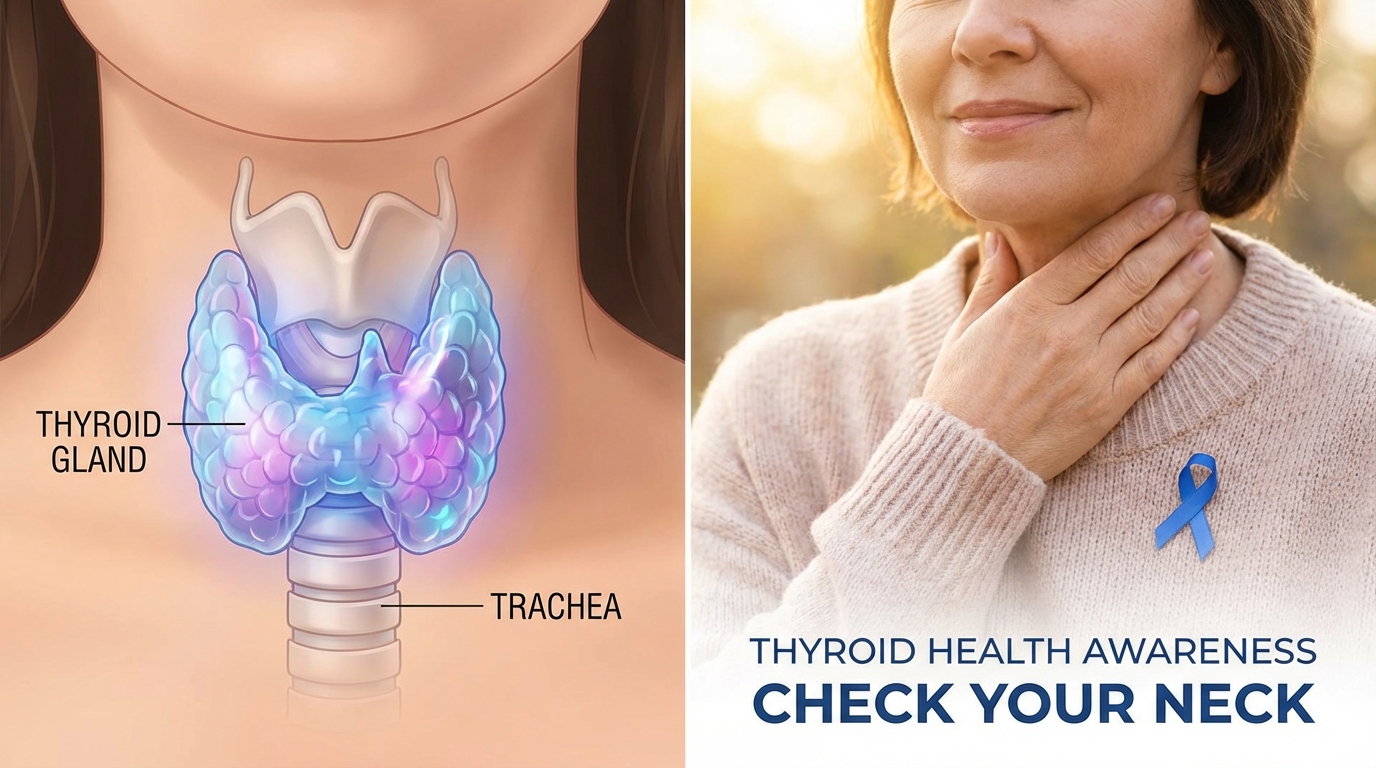
<p>The thyroid gland produces T3 and T4 hormones that regulate metabolism, body temperature, heart rate, mood, and reproductive function. Hashimoto's thyroiditis is the most common cause of hypothyroidism in developed countries. It is an autoimmune condition where the immune system attacks thyroid tissue. A 2019 Danish study found that women with PCOS have 2.5 times the risk of thyroid disease compared to women without PCOS, making screening for both conditions together important.</p>

<h2>Thyroid Symptoms That Often Go Unrecognized</h2>

<p>Fatigue is the most common symptom of hypothyroidism but also one of the most commonly dismissed. Weight gain despite no change in diet or exercise, cold intolerance, constipation, dry skin, hair thinning and loss, brain fog, depression, and irregular or heavy periods are all associated with an underactive thyroid. A 2024 Hormone Health Network survey found that nearly 45 percent of women with thyroid dysfunction waited more than a year for an accurate diagnosis, most often because symptoms were attributed to stress or normal aging.</p>

<figure><img src="https://i.supaimg.com/1a711c53-ab0c-46ff-803f-8c8b08f6471b/cdc04b48-592a-4938-bc8f-9fc13c9ecf10.jpg" alt="Thyroid health and hormonal balance women wellness concept" style="max-width:100%;border-radius:10px;margin:20px 0;" loading="lazy" width="800" height="auto" /><figcaption style="text-align:center;font-size:13px;color:#888;">Thyroid function affects nearly every system in the body, which is why hypothyroidism symptoms are so varied.</figcaption></figure>

<h2>Getting Diagnosed Properly</h2>

<p>For PCOS: blood tests for LH, FSH, total and free testosterone, DHEA-S, fasting insulin, and fasting glucose are the standard starting panel. A pelvic ultrasound looks at ovarian morphology.</p>

<p>For thyroid: a basic TSH test is the standard first step but does not give the complete picture. A full thyroid panel including Free T3, Free T4, and thyroid antibodies (Anti-TPO and Anti-Tg) is necessary to identify Hashimoto's specifically, since TSH can be normal in the early stages while antibodies are already elevated. Many people with early Hashimoto's are told their thyroid is fine based on TSH alone.</p>

<h2>What Actually Helps: PCOS Management</h2>

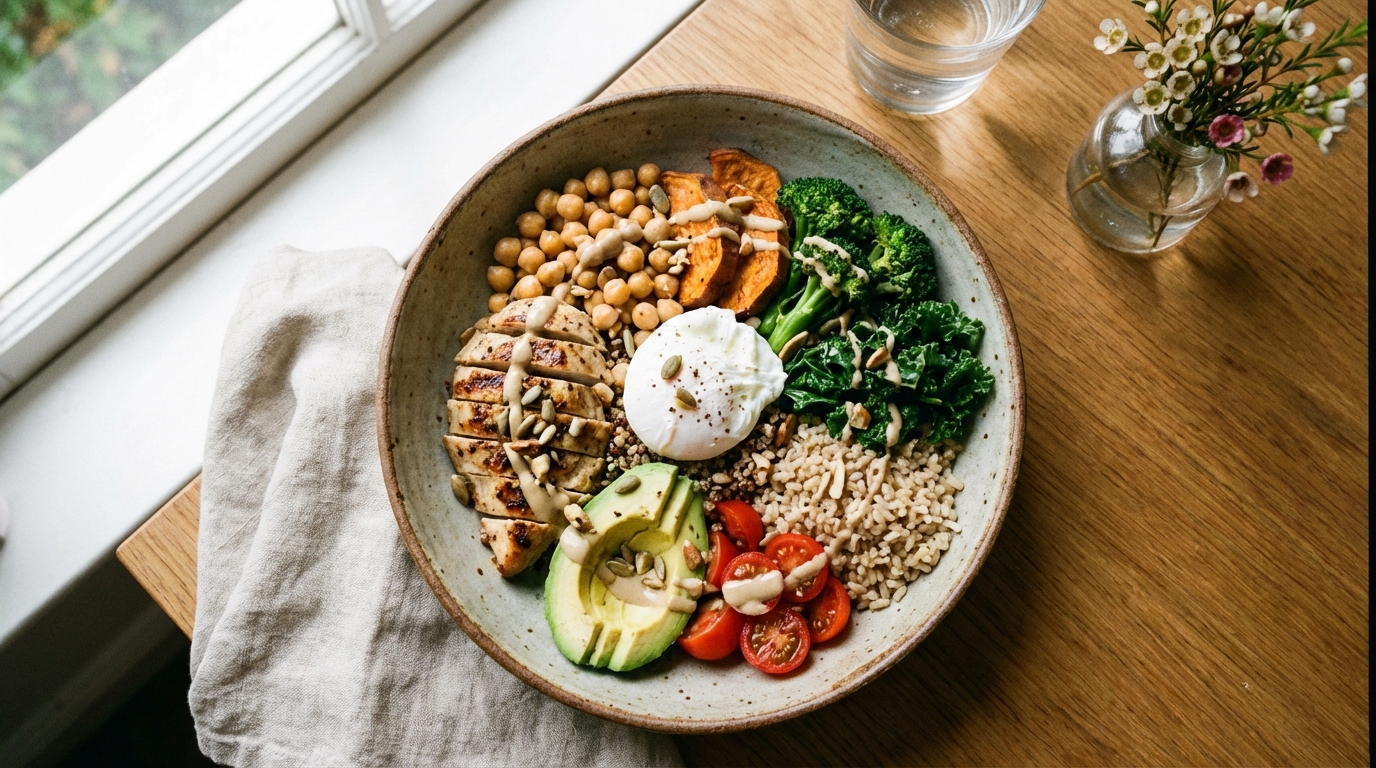
<p>Because insulin resistance drives most PCOS cases, interventions that improve insulin sensitivity are most effective. A low glycemic index diet that stabilizes blood sugar reduces insulin spikes and has shown measurable improvement in androgen levels and menstrual regularity. The Mediterranean diet pattern has particularly good evidence for PCOS.</p>

<p>Both aerobic exercise and resistance training improve insulin sensitivity. Resistance training is particularly effective because it increases glucose uptake into muscle independently of insulin. Three to four sessions per week produce meaningful improvements in metabolic markers within 12 weeks in most studies.</p>

<p>Inositol, specifically myo-inositol combined with D-chiro-inositol in a 40:1 ratio, has the most evidence of any non-prescription supplement for PCOS. It improves insulin sensitivity, reduces androgen levels, and in some studies improves ovulation rates.</p>

<h2>What Actually Helps: Thyroid Management</h2>

<p>Clinical hypothyroidism is treated with levothyroxine, a synthetic T4 hormone. For Hashimoto's specifically, a gluten-free diet has reasonable evidence in the subset of patients who also have celiac disease or non-celiac gluten sensitivity. Selenium supplementation at 200 micrograms per day has been shown in several studies to reduce thyroid antibody levels. Stress management matters because cortisol directly suppresses thyroid function.</p>]]></content><author><name>Aryx K.</name></author><category term="Women&apos;s Health" /><category term="PCOS &amp; Thyroid" /><category term="PCOS symptoms in women" /><category term="how to manage PCOS naturally" /><category term="PCOS and insulin resistance" /><category term="PCOS diet what to eat" /><category term="thyroid symptoms in women" /><category term="hypothyroidism signs" /><category term="Hashimoto thyroiditis" /><summary type="html"><![CDATA[Understand PCOS and thyroid conditions, how they overlap, how to get properly diagnosed, and what lifestyle changes actually make a difference.]]></summary><media:thumbnail xmlns:media="http://search.yahoo.com/mrss/" url="https://i.supaimg.com/1a711c53-ab0c-46ff-803f-8c8b08f6471b/59ba83ce-6049-4fbf-b026-1f9a95f52769.jpg" /><media:content medium="image" url="https://i.supaimg.com/1a711c53-ab0c-46ff-803f-8c8b08f6471b/59ba83ce-6049-4fbf-b026-1f9a95f52769.jpg" xmlns:media="http://search.yahoo.com/mrss/" /></entry><entry><title type="html">Pregnancy and Postpartum: What to Expect and How to Recover</title><link href="https://www.aryxlumina.xyz/pregnancy-postpartum-what-to-expect-and-how-to-recover" rel="alternate" type="text/html" title="Pregnancy and Postpartum: What to Expect and How to Recover" /><published>2026-04-17T00:00:00+00:00</published><updated>2026-04-17T00:00:00+00:00</updated><id>https://www.aryxlumina.xyz/pregnancy-postpartum-what-to-expect-and-how-to-recover</id><content type="html" xml:base="https://www.aryxlumina.xyz/pregnancy-postpartum-what-to-expect-and-how-to-recover"><![CDATA[<p>Nobody really prepares you for the fourth trimester. Pregnancy gets nine months of attention, classes, books, and appointments. Then the baby arrives and suddenly all that focus shifts to the newborn, and the mother is expected to just recover. On her own. While running on almost no sleep and figuring out how to care for a brand new human.</p>

<p>The postpartum period is genuinely one of the most physically and emotionally demanding things a body goes through. Here is what is actually happening and what helps.</p>

<h2>What the Fourth Trimester Actually Means</h2>

<p>The term "fourth trimester" refers to the 12 weeks following delivery. The body spent 40 weeks changing in dramatic ways, and it does not snap back in six weeks just because a checkup says everything looks fine on paper. During those 12 weeks, the uterus is shrinking back, hormone levels are dropping sharply, the cardiovascular system is recalibrating, the pelvic floor is recovering, and the body is simultaneously producing milk if breastfeeding.</p>

<figure><img alt="New mother resting and recovering postpartum with newborn baby" src="https://i.supaimg.com/1a711c53-ab0c-46ff-803f-8c8b08f6471b/df627ac1-bbe9-4070-8272-0cb55958c82f.jpg" style="border-radius: 10px; margin: 20px 0px; max-width: 100%;" loading="lazy" width="800" height="auto" /><figcaption style="color: #888888; font-size: 13px; text-align: center;">The postpartum period requires the same care and attention as pregnancy itself, not less.</figcaption></figure>

<h2>The Hormonal Drop and What It Does</h2>

<p>After delivery, estrogen drops by roughly 100-fold within 24 hours. This is not a gradual transition. It is a sudden crash that affects mood, sleep, temperature regulation, skin, hair, and libido. This is why baby blues are so common. Up to 80 percent of new mothers experience weepiness, irritability, anxiety, and low mood in the first week or two. Baby blues are driven by biology, not weakness, and typically resolve within two weeks.</p>

<p>Postpartum depression is different and more serious. It affects roughly 10 to 15 percent of new mothers and does not resolve on its own within two weeks. Symptoms include persistent low mood, inability to feel bonded with the baby, severe anxiety, intrusive thoughts, and inability to sleep even when the baby sleeps. It requires professional support, not just more rest.</p>

<h2>Physical Recovery: What to Expect</h2>

<h3>Postpartum Bleeding</h3>
<p>Postpartum bleeding (lochia) is normal and can last up to six weeks, starting heavier and gradually lightening. Soaking through more than one pad per hour, passing large clots, or bleeding that gets heavier after it started to lighten are reasons to contact a healthcare provider promptly.</p>

<h3>Pelvic Floor Recovery</h3>
<p>Pregnancy puts sustained load on pelvic floor muscles for nine months. The result is often urinary leakage, pelvic pain, or reduced sensation during sex. Pelvic floor physiotherapy is more evidence-backed than Kegels alone and significantly more effective. In France it is standard care covered by the health system. In most countries women have to specifically ask for a referral, which is worth doing regardless of whether symptoms seem severe.</p>

<h3>Postpartum Hair Loss</h3>
<p>Around three to four months postpartum, many women notice significant hair shedding. This is telogen effluvium driven by the same hormonal crash. During pregnancy, elevated estrogen keeps hair in the growth phase longer. After delivery, the estrogen drops and all that retained hair enters the shedding phase at once. It looks alarming but is not permanent. Hair typically returns to its previous density by 12 months postpartum for most women.</p>

<h2>Postpartum Nutrition</h2>

<p>Breastfeeding women need an additional 300 to 500 calories per day, increased protein, and adequate hydration. Key nutrients for recovery: protein for tissue repair, iron to address delivery losses, omega-3 fatty acids particularly DHA for both maternal brain function and infant brain development through breastmilk, vitamin D, iodine, and choline. Continuing prenatal vitamins postpartum covers most of these gaps. Aggressive calorie restriction reduces milk supply, increases fatigue, delays physical recovery, and worsens mood. The postpartum period is not the time for a weight loss program.</p>

<figure><img alt="Postpartum nutrition healthy meals for new mother recovery" src="https://i.supaimg.com/1a711c53-ab0c-46ff-803f-8c8b08f6471b/00f77c80-414f-4a4e-a042-b53e936d4a13.jpg" style="border-radius: 10px; margin: 20px 0px; max-width: 100%;" loading="lazy" width="800" height="auto" /><figcaption style="color: #888888; font-size: 13px; text-align: center;">Nutrition in the postpartum period is as important as during pregnancy, especially if breastfeeding.</figcaption></figure>

<h2>Exercise and Movement After Birth</h2>

<p>Light walking can resume within days for uncomplicated vaginal deliveries. High-impact exercise, running, and heavy lifting require more time. A good progression: walking from week one or two, gentle core reconnection work from week four or six, and progressive return to higher impact activity from week twelve onward, ideally guided by a pelvic floor physiotherapist's assessment.</p>

<h2>When to Seek Help</h2>

<p>Postpartum symptoms that warrant prompt medical attention: fever above 38 degrees Celsius, heavy bleeding soaking a pad per hour, chest pain or shortness of breath, signs of wound infection, severe headaches, vision changes, or leg pain and swelling which can indicate blood clots.</p>

<p>Emotional symptoms warranting professional support: depression or anxiety persisting beyond two weeks, intrusive thoughts about harming yourself or the baby, inability to care for yourself or the infant, and panic attacks. These are medical situations, not signs of being a bad mother.</p>]]></content><author><name>Aryx K.</name></author><category term="Women&apos;s Health" /><category term="Pregnancy &amp; Postpartum" /><category term="postpartum recovery tips" /><category term="fourth trimester body changes" /><category term="postpartum depression signs" /><category term="baby blues vs postpartum depression" /><category term="pelvic floor recovery after birth" /><category term="postpartum hair loss" /><summary type="html"><![CDATA[Postpartum recovery guide covering hormonal changes, baby blues, pelvic floor, hair loss, nutrition, and when to seek help after birth.]]></summary><media:thumbnail xmlns:media="http://search.yahoo.com/mrss/" url="https://i.supaimg.com/1a711c53-ab0c-46ff-803f-8c8b08f6471b/df627ac1-bbe9-4070-8272-0cb55958c82f.jpg" /><media:content medium="image" url="https://i.supaimg.com/1a711c53-ab0c-46ff-803f-8c8b08f6471b/df627ac1-bbe9-4070-8272-0cb55958c82f.jpg" xmlns:media="http://search.yahoo.com/mrss/" /></entry><entry><title type="html">Supplements: What’s Worth Taking and What’s Just Hype</title><link href="https://www.aryxlumina.xyz/supplements-whats-worth-taking-and-whats-hype" rel="alternate" type="text/html" title="Supplements: What’s Worth Taking and What’s Just Hype" /><published>2026-04-16T00:00:00+00:00</published><updated>2026-04-16T00:00:00+00:00</updated><id>https://www.aryxlumina.xyz/supplements-whats-worth-taking-and-whats-hype</id><content type="html" xml:base="https://www.aryxlumina.xyz/supplements-whats-worth-taking-and-whats-hype"><![CDATA[<p>Americans spend around 60 billion dollars a year on dietary supplements. A significant portion of the products have minimal evidence for the claims on the label. The supplement industry is largely unregulated in terms of efficacy claims. This does not mean supplements are useless. Some have solid evidence. The problem is separating those from the expensive placebos.</p>

<h2>Vitamin D: Probably the Most Common Deficiency You Are Not Testing For</h2>

<p>Between 40 and 70 percent of people in northern latitudes, people who spend most time indoors, and people with darker skin pigmentation are deficient in vitamin D. The body produces it through sun exposure on bare skin, and modern indoor lifestyles mean most people are not making enough.</p>

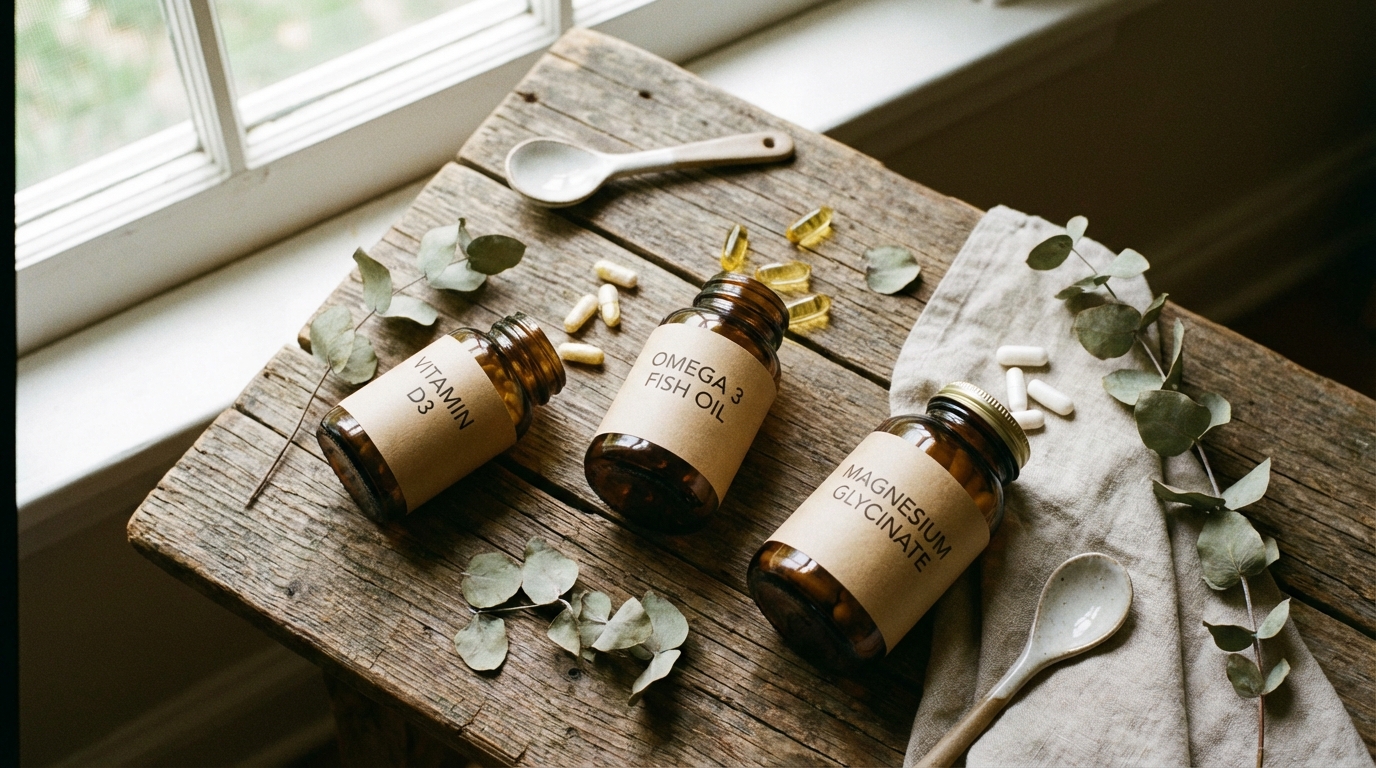
<p>Vitamin D supports calcium absorption and bone density, modulates the immune system, influences mood (deficiency is associated with depression), and plays roles in muscle function and cardiovascular health. Vitamin D3 (cholecalciferol) is significantly more effective at raising serum levels than D2. A general dose of 1,000 to 2,000 IU daily is reasonable for maintenance in people without adequate sun exposure. Confirmed deficiency needs higher doses under medical supervision.</p>

<figure><img src="https://i.supaimg.com/1a711c53-ab0c-46ff-803f-8c8b08f6471b/44943d17-fe8c-4cc6-a395-d84c5fe9bf42.jpg" alt="Supplement bottles vitamin D omega 3 magnesium on wooden surface" style="max-width:100%;border-radius:10px;margin:20px 0;" loading="lazy" width="800" height="auto" /><figcaption style="text-align:center;font-size:13px;color:#888;">Vitamin D, omega-3, and magnesium have the strongest evidence base of commonly taken supplements.</figcaption></figure>

<h2>Omega-3 Fatty Acids: Essential and Genuinely Underconsumed</h2>

<p>Omega-3 fatty acids (EPA and DHA) cannot be produced by the body and must come from food or supplements. Primary food sources are fatty fish: salmon, mackerel, sardines, herring, and anchovies. People who do not eat fatty fish two to three times per week are likely to have suboptimal levels.</p>

<p>Evidence for omega-3 supplementation is strongest for cardiovascular health (reducing triglycerides), reducing inflammation, supporting brain function and mood, and eye health. DHA is critical for brain and eye development, making supplementation during pregnancy and breastfeeding well supported. Dosing: 1,000 to 2,000 mg of combined EPA and DHA per day. Check the label for the actual EPA and DHA content rather than total fish oil content. Algae-based omega-3 is available for vegans.</p>

<h2>Magnesium: Quietly Deficient in More People Than Realize</h2>

<p>Magnesium is involved in over 300 enzymatic reactions. Modern diets high in processed foods tend to be magnesium insufficient. Evidence supports magnesium supplementation for improving sleep quality, reducing muscle cramps, supporting blood sugar regulation, and reducing migraine frequency.</p>

<p>Form matters more with magnesium than most supplements. Magnesium glycinate is best absorbed and most likely to improve sleep and reduce anxiety. Magnesium oxide is cheap and poorly absorbed. Magnesium citrate is better absorbed and has a mild laxative effect. Magnesium malate is good for energy and muscle function.</p>

<h2>Iron: Critical for Women Who Menstruate</h2>

<p>Iron deficiency is the most common nutritional deficiency globally and disproportionately affects women of reproductive age. Symptoms include fatigue, brain fog, cold intolerance, hair shedding, pale skin, and breathlessness. Many women live with subclinical iron deficiency for years, attributing symptoms to being busy or not sleeping well.</p>

<p>Iron supplementation should follow a blood test confirming deficiency rather than being taken preventively, as excess iron has its own risks. Ferrous bisglycinate is the most well-tolerated form. Taking iron with vitamin C improves absorption. Taking it with calcium, coffee, or tea reduces it.</p>

<h2>Collagen: The Evidence Is More Mixed Than the Marketing Suggests</h2>

<p>Hydrolyzed collagen supplements have some evidence for improving skin elasticity and reducing the appearance of fine lines after 8 to 12 weeks of use. The honest caveat: collagen is a protein, digested into amino acids like any other protein. The theory that consumed collagen specifically travels to the skin is not as straightforward as marketing implies. Results vary significantly between individuals.</p>

<h2>Biotin: Probably Not What You Think It Does</h2>

<p>Biotin deficiency causes hair loss and nail brittleness, but actual biotin deficiency is rare. Taking high-dose biotin when you are not deficient does not produce the dramatic hair growth the packaging implies. Important practical note: high-dose biotin (5,000 mcg and above) interferes with thyroid blood tests and certain cardiac biomarker tests, producing falsely normal or abnormal results. Stop it several days before any blood tests.</p>

<h2>How to Choose Supplements That Are Actually What They Say</h2>

<p>Look for NSF International, USP, Informed Sport, or Informed Choice certification on the label. These organizations independently verify that the product contains what it claims, in the amounts stated, without significant contaminants. Supplements are not regulated for efficacy by the FDA before going to market, so the clinical evidence for the ingredient itself must be evaluated separately from product quality.</p>]]></content><author><name>Aryx K.</name></author><category term="Product Reviews" /><category term="Supplements" /><category term="best supplements for women health" /><category term="vitamin D deficiency signs" /><category term="omega 3 fish oil benefits" /><category term="collagen supplements do they work" /><category term="biotin supplements for hair" /><category term="magnesium benefits for women" /><summary type="html"><![CDATA[Evidence-based guide to vitamin D, omega-3, magnesium, collagen, biotin, and iron. Learn which supplements women actually need.]]></summary><media:thumbnail xmlns:media="http://search.yahoo.com/mrss/" url="https://i.supaimg.com/1a711c53-ab0c-46ff-803f-8c8b08f6471b/44943d17-fe8c-4cc6-a395-d84c5fe9bf42.jpg" /><media:content medium="image" url="https://i.supaimg.com/1a711c53-ab0c-46ff-803f-8c8b08f6471b/44943d17-fe8c-4cc6-a395-d84c5fe9bf42.jpg" xmlns:media="http://search.yahoo.com/mrss/" /></entry><entry><title type="html">Hair Products: What Ingredients Actually Do for Your Hair</title><link href="https://www.aryxlumina.xyz/hair-products-ingredients-that-actually-work" rel="alternate" type="text/html" title="Hair Products: What Ingredients Actually Do for Your Hair" /><published>2026-04-15T00:00:00+00:00</published><updated>2026-04-15T00:00:00+00:00</updated><id>https://www.aryxlumina.xyz/hair-products-ingredients-that-actually-work</id><content type="html" xml:base="https://www.aryxlumina.xyz/hair-products-ingredients-that-actually-work"><![CDATA[<p>Most people buy hair products based on how they smell, how they make the hair feel immediately after use, or what a marketing claim promises. None of these are particularly reliable guides to what actually works for hair health over time.</p>

<h2>Shampoo: What to Look For Beyond Lather</h2>

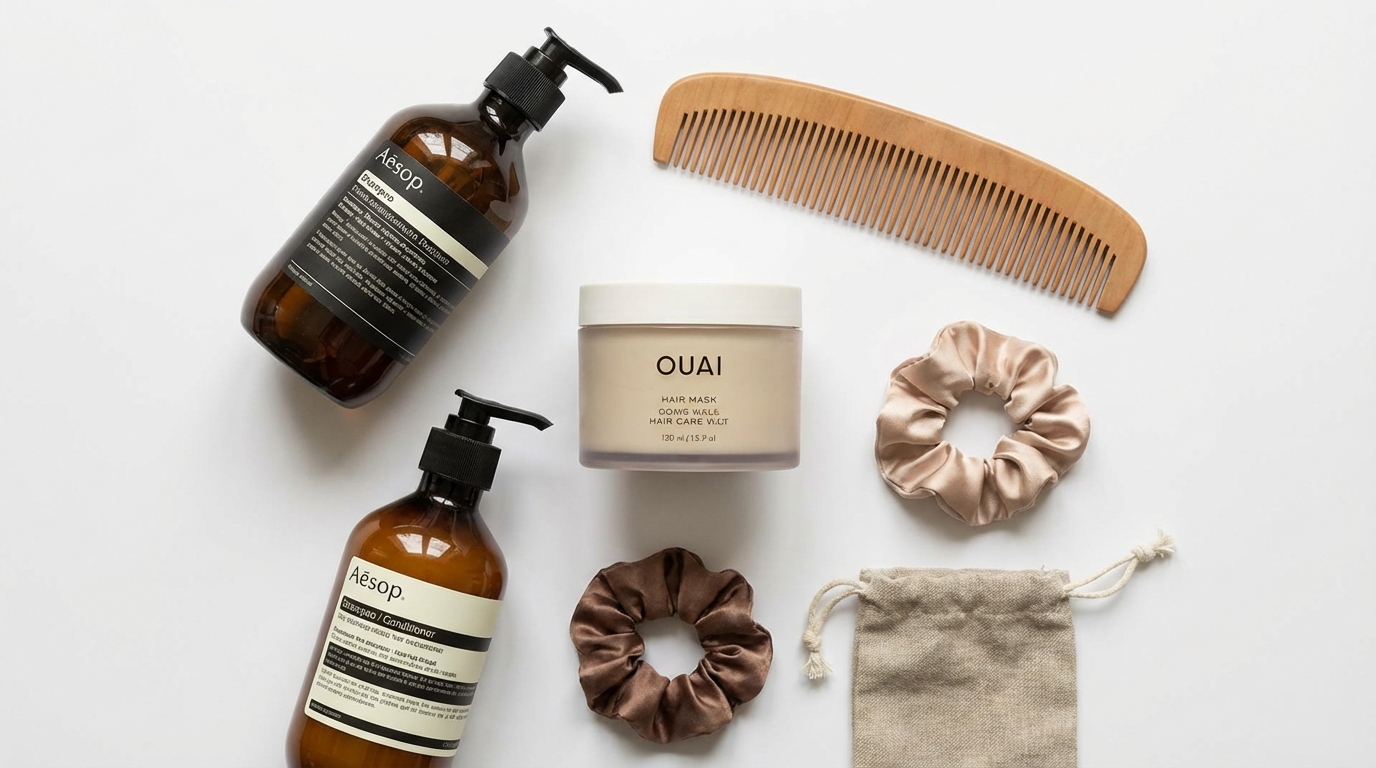
<p>A shampoo's primary job is cleaning the scalp. Sulfates like SLS are effective cleansers but can strip the scalp of natural oils. Sulfate-free shampoos use milder surfactants that are gentler on color-treated hair and sensitive scalps. For people who use heavy styling products, a clarifying shampoo used once every few weeks removes buildup that milder formulas cannot shift.</p>

<figure><img alt="Hair care products shampoo conditioner and hair mask for damaged hair" src="https://i.supaimg.com/1a711c53-ab0c-46ff-803f-8c8b08f6471b/52d0dea6-fa66-429a-b80a-6626d5494060.jpg" style="border-radius: 10px; margin: 20px 0px; max-width: 100%;" loading="lazy" width="800" height="auto" /><figcaption style="color: #888888; font-size: 13px; text-align: center;">Scalp health is the foundation of hair health. A clean, balanced scalp supports stronger growth.</figcaption></figure>

<h2>Conditioners and Masks: What They Are Actually Doing</h2>

<p>Conditioners primarily deposit positively charged molecules onto the negatively charged hair shaft, smoothing the cuticle, reducing static, and improving slip for detangling. They do not repair hair at a structural level. Hair masks with higher concentrations of conditioning agents and hydrolyzed proteins provide more intensive temporary improvement. Look for hydrolyzed proteins (small enough to penetrate the shaft), ceramides, and penetrating oils like coconut or avocado rather than purely coating oils like mineral oil.</p>

<h2>Bond Repair Products: Do They Work?</h2>

<p>Bond repair technology, popularized by products like Olaplex, works by reconnecting disulfide bonds within the hair cortex broken by chemical damage from bleach, color, and heat. Multiple independent studies have confirmed the efficacy of this technology for chemically damaged hair. Using a bond repair treatment on hair that has no significant chemical damage produces minimal benefit.</p>

<h2>Hair Growth Products: What Actually Works</h2>

<p>Minoxidil is the most studied topical ingredient for hair regrowth. The 5 percent concentration produces significantly more regrowth than 2 percent in studies. Results take three to six months to become visible and stop when treatment is discontinued.</p>

<p>Rosemary oil has some evidence, including a 2015 study comparing it to 2 percent minoxidil with comparable results at six months. The caveat is that the comparison was to the weaker 2 percent formulation. Rosemary oil is a reasonable option for mild hair thinning but minoxidil has a much larger evidence base.</p>

<p>Caffeine applied topically has been shown to stimulate hair follicles and counteract some DHT effects. Redensyl, a newer ingredient, has preliminary evidence comparable to minoxidil though studies have industry connections that warrant caution.</p>

<h2>Heat Protection: Non-Negotiable for Styled Hair</h2>

<p>Heat protectants create a coating over the hair shaft that distributes heat more evenly and raises the temperature at which structural damage occurs. No heat protectant makes high-heat styling harmless, but they significantly reduce damage at moderate temperatures. Applied every single time before any heat tool.</p>

<h2>Scalp Care: The Underattended Category</h2>

<p>Scalp exfoliation with scrubs or salicylic acid treatments removes buildup, dead skin cells, and excess sebum that can clog follicles. Used once or twice a week, they improve scalp health and product absorption. Scalp massage for three to four minutes daily has evidence for improving hair thickness through increased blood circulation to follicles.</p>]]></content><author><name>Aryx K.</name></author><category term="Hair Care" /><category term="Product Reviews" /><category term="Hair Products" /><category term="best hair products for damaged hair" /><category term="how to repair damaged hair" /><category term="best shampoo for hair growth" /><category term="rosemary oil for hair growth" /><category term="bond repair hair products" /><category term="scalp care routine" /><summary type="html"><![CDATA[From shampoos and bond repair to growth serums and scalp care, learn which hair product ingredients are worth it and which are just hype.]]></summary><media:thumbnail xmlns:media="http://search.yahoo.com/mrss/" url="https://i.supaimg.com/1a711c53-ab0c-46ff-803f-8c8b08f6471b/52d0dea6-fa66-429a-b80a-6626d5494060.jpg" /><media:content medium="image" url="https://i.supaimg.com/1a711c53-ab0c-46ff-803f-8c8b08f6471b/52d0dea6-fa66-429a-b80a-6626d5494060.jpg" xmlns:media="http://search.yahoo.com/mrss/" /></entry><entry><title type="html">Skin Care Products: Ingredients That Actually Work</title><link href="https://www.aryxlumina.xyz/skin-care-products-ingredients-that-actually-work" rel="alternate" type="text/html" title="Skin Care Products: Ingredients That Actually Work" /><published>2026-04-14T00:00:00+00:00</published><updated>2026-04-14T00:00:00+00:00</updated><id>https://www.aryxlumina.xyz/skin-care-products-ingredients-that-actually-work</id><content type="html" xml:base="https://www.aryxlumina.xyz/skin-care-products-ingredients-that-actually-work"><![CDATA[<p>The skincare aisle is overwhelming on purpose. New ingredients get launched constantly, each with its own set of claims. Most of them are variations on themes that have existed for decades. What has not changed much is which ingredients actually have the research behind them.</p>

<h2>Retinoids: The Gold Standard</h2>

<p>Retinoids are vitamin A derivatives and remain the most thoroughly researched category in skincare. They accelerate cell turnover, stimulate collagen production, unclog pores, and improve uneven skin tone. Retinol is the over-the-counter form. Prescription tretinoin works faster but causes more initial irritation. Starting retinol: use it at night on dry skin, two to three times per week initially. Start with 0.025 to 0.1 percent. The "retinol uglies," a period of flaking and redness in the first four to eight weeks, are normal. Moisturizing before and after (the sandwich method) reduces irritation for beginners.</p>

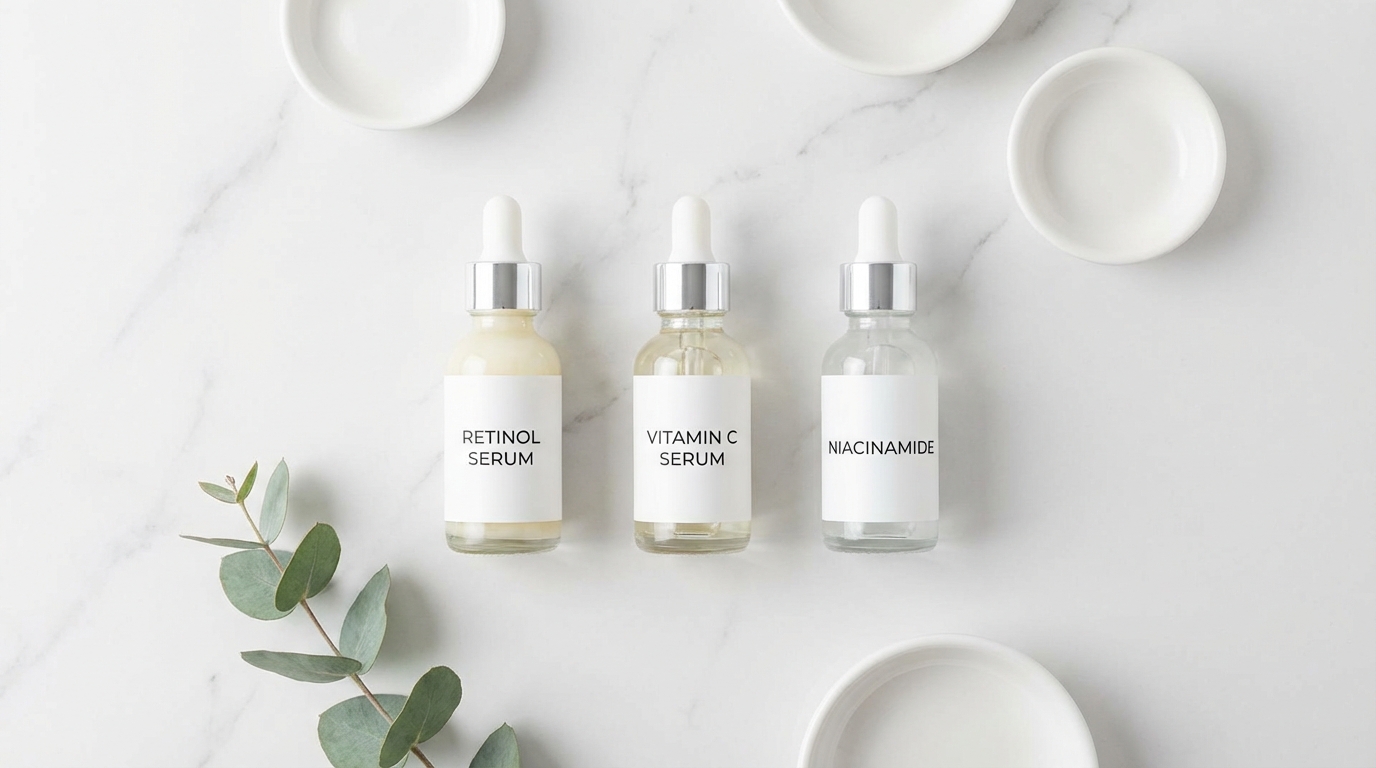
<figure><img src="https://i.supaimg.com/1a711c53-ab0c-46ff-803f-8c8b08f6471b/71db7a64-5246-45f8-9538-0e33c1c8a098.jpg" alt="Skincare serum products retinol vitamin C niacinamide flat lay" style="max-width:100%;border-radius:10px;margin:20px 0;" /><figcaption style="text-align:center;font-size:13px;color:#888;">Retinoids are the most evidence-backed skincare actives available, with decades of research behind them.</figcaption></figure>

<h2>Vitamin C: Antioxidant and Brightening Agent</h2>

<p>Vitamin C (ascorbic acid) protects skin from oxidative damage from UV radiation and pollution, inhibits melanin production to fade hyperpigmentation, and supports collagen synthesis. Applied in the morning under sunscreen, it extends UV protection and reduces free radical damage. The challenge is stability. An oxidized vitamin C serum turns orange-brown and is no longer effective. Store in dark glass bottles with tight seals. L-ascorbic acid at 10 to 20 percent in a pH of 2.5 to 3.5 is the most studied form.</p>

<h2>Niacinamide: The Workhorse Ingredient</h2>

<p>Niacinamide (vitamin B3) strengthens the skin barrier by increasing ceramide production, reduces trans-epidermal water loss, minimizes pore appearance, reduces redness and inflammation, regulates sebum production, and fades hyperpigmentation. It is one of the most forgiving actives. Well tolerated by most skin types, works in the same routine as most other actives, and can be used morning and night. Five to ten percent concentration is the effective range.</p>

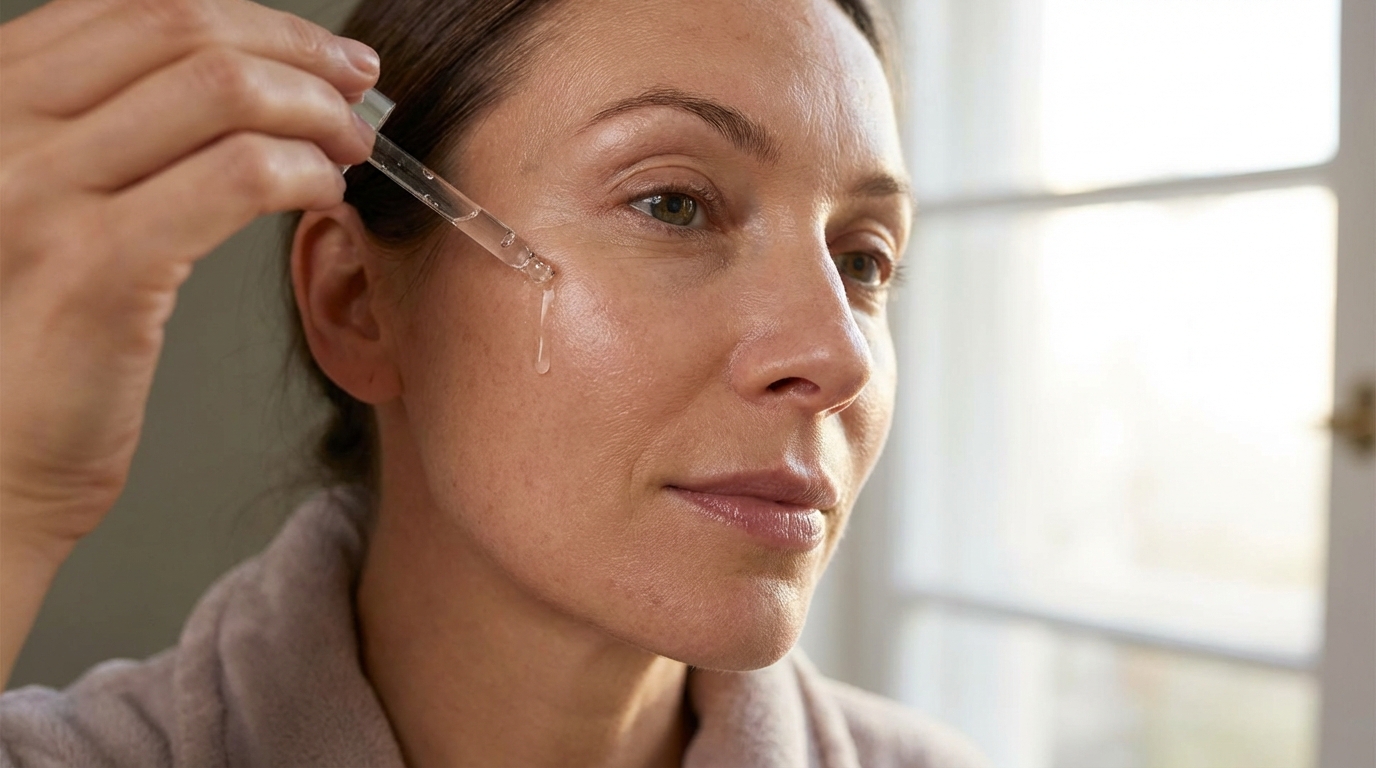
<figure><img src="https://i.supaimg.com/1a711c53-ab0c-46ff-803f-8c8b08f6471b/aec06c66-4135-474e-91fe-e9f95d97e35d.jpg" alt="Woman applying serum to face morning skincare routine" style="max-width:100%;border-radius:10px;margin:20px 0;" /><figcaption style="text-align:center;font-size:13px;color:#888;">Niacinamide addresses multiple skin concerns simultaneously with minimal irritation risk.</figcaption></figure>

<h2>Hyaluronic Acid: Hydration, Not Moisture</h2>

<p>Hyaluronic acid is a humectant that draws water toward itself. Applied to dry skin in a dry environment, it can actually pull moisture out of deeper skin layers. Apply HA to damp skin immediately after cleansing, then seal with a moisturizer before water evaporates. Multi-weight HA formulas with molecules of different sizes work better than single-weight formulas.</p>

<h2>AHAs and BHAs: Chemical Exfoliants</h2>

<p>AHAs (glycolic and lactic acid) exfoliate the surface by dissolving bonds between dead skin cells. Glycolic acid has the smallest molecule and penetrates most deeply. Lactic acid is gentler and acts as a humectant. BHA (salicylic acid) is oil-soluble and penetrates into pores, making it better for acne, blackheads, and congested skin. AHAs increase sun sensitivity so daytime sunscreen is essential. Apply exfoliants at night, one to two times per week to start.</p>

<h2>Ingredients That Should Not Be Used Together</h2>

<p><strong>Retinol and AHAs together:</strong> Both are active enough that combining them significantly increases irritation risk. Alternate nights.<br />
<strong>Vitamin C and AHAs together:</strong> Low pH of acid exfoliants can destabilize vitamin C. Use vitamin C in the morning and AHAs at night.<br />
<strong>Benzoyl peroxide and retinoids:</strong> Benzoyl peroxide can oxidize and inactivate retinol when in direct contact. Use at different times or on alternate nights.</p>

<h2>How Long Before Results Show</h2>

<p>Hyaluronic acid: immediate surface plumping. Vitamin C: brightening from two to four weeks. Niacinamide: barrier strengthening from two to four weeks, pigmentation improvements from eight to twelve weeks. Retinol: texture improvements from four to eight weeks, significant anti-aging effects from three to six months. Patience with skincare is not optional. Any active ingredient needs at least one full cell turnover cycle to demonstrate meaningful results.</p>

<script type="application/ld+json">
{
  "@context": "https://schema.org",
  "@type": "FAQPage",
  "mainEntity": [
    {
      "@type": "Question",
      "name": "Can I use retinol every night as a beginner?",
      "acceptedAnswer": {
        "@type": "Answer",
        "text": "No. Beginners should start with retinol two to three nights per week to let the skin build tolerance. Using it nightly from the start typically causes significant irritation, flaking, and redness. After four to six weeks with no major reactions, frequency can be gradually increased."
      }
    },
    {
      "@type": "Question",
      "name": "Can niacinamide and vitamin C be used together?",
      "acceptedAnswer": {
        "@type": "Answer",
        "text": "Yes. The older claim that they cannot be combined has been debunked. The reaction theorized to occur requires conditions not present in normal skincare use. Both can be used in the same routine at typical product concentrations."
      }
    },
    {
      "@type": "Question",
      "name": "What is the difference between AHA and BHA?",
      "acceptedAnswer": {
        "@type": "Answer",
        "text": "AHAs like glycolic and lactic acid are water-soluble and work on the skin surface, improving texture and brightness. BHA (salicylic acid) is oil-soluble and can penetrate into pores, making it more effective for acne, blackheads, and congested oily skin."
      }
    },
    {
      "@type": "Question",
      "name": "How should I apply hyaluronic acid correctly?",
      "acceptedAnswer": {
        "@type": "Answer",
        "text": "Apply hyaluronic acid to damp skin immediately after cleansing while there is still water on the surface. Then seal it in with a moisturizer before the water evaporates. In dry environments, use a richer occlusive moisturizer to prevent HA from drawing moisture out of deeper layers."
      }
    }
  ]
}
</script>]]></content><author><name>Aryx K.</name></author><category term="Skin Care" /><category term="Product Reviews" /><category term="Skin Care Products" /><category term="best skincare ingredients that work" /><category term="retinol for beginners" /><category term="vitamin C serum benefits" /><category term="niacinamide what does it do" /><category term="hyaluronic acid how to use" /><category term="skincare ingredients not to mix" /><summary type="html"><![CDATA[Retinol, vitamin C, niacinamide, hyaluronic acid, AHAs and BHAs explained. Learn how to use each and which combinations to avoid.]]></summary><media:thumbnail xmlns:media="http://search.yahoo.com/mrss/" url="https://i.supaimg.com/1a711c53-ab0c-46ff-803f-8c8b08f6471b/71db7a64-5246-45f8-9538-0e33c1c8a098.jpg" /><media:content medium="image" url="https://i.supaimg.com/1a711c53-ab0c-46ff-803f-8c8b08f6471b/71db7a64-5246-45f8-9538-0e33c1c8a098.jpg" xmlns:media="http://search.yahoo.com/mrss/" /></entry><entry><title type="html">Anti-Aging Skin Care: The Ingredients That Actually Work and When to Start Using Them</title><link href="https://www.aryxlumina.xyz/anti-aging-skin-care-ingredients-that-actually-work" rel="alternate" type="text/html" title="Anti-Aging Skin Care: The Ingredients That Actually Work and When to Start Using Them" /><published>2026-04-13T00:00:00+00:00</published><updated>2026-04-13T00:00:00+00:00</updated><id>https://www.aryxlumina.xyz/anti-aging-skin-care-ingredients-that-actually-work</id><content type="html" xml:base="https://www.aryxlumina.xyz/anti-aging-skin-care-ingredients-that-actually-work"><![CDATA[<p>The anti-aging skincare industry is enormous, and a lot of it is noise. There are creams that cost $300 and work no better than a $12 drugstore moisturizer. There are ingredients with decades of research sitting next to ingredients with no real evidence at all. This cuts through that.</p>

<h2>How Skin Ages: The Basics</h2>

<p>Intrinsic aging is the natural slowdown: collagen and elastin production decreases, cell turnover slows, oil glands produce less, and skin becomes thinner and drier. This starts in the mid-20s. Extrinsic aging is what happens from outside. UV radiation breaks down collagen and elastin, causes DNA damage that leads to dark spots, and accelerates every visible sign of aging. Roughly 90 percent of visible skin aging comes from sun exposure, not from getting older itself. That single fact is probably the most useful thing in this article.</p>

<figure><img alt="Anti-aging skincare products including serums and creams" src="https://images.unsplash.com/photo-1552693673-1bf958298935?w=800&amp;auto=format&amp;fit=crop" style="border-radius: 10px; margin: 20px 0px; max-width: 100%;" /><figcaption style="color: #666666; font-size: 13px; text-align: center;">The right anti-aging ingredients can make a real, measurable difference over time.</figcaption></figure>

<h2>The Four Ingredients With Real Evidence</h2>

<h3>1. Sunscreen</h3>
<p>This is not glamorous, but it is the most impactful anti-aging product available. Broad-spectrum SPF 30 or higher applied daily prevents the UV damage that causes collagen breakdown, dark spots, and loss of elasticity in the first place. Use it even on cloudy days. UVA rays penetrate clouds and glass.</p>

<h3>2. Retinol</h3>
<p>Retinol is the most researched topical anti-aging ingredient after sunscreen. It increases cell turnover, stimulates collagen production, reduces fine lines, fades hyperpigmentation, and helps with acne. Most people see noticeable improvement after about three months of consistent use. Start with 0.025 to 0.1 percent, use two to three nights per week, and increase frequency gradually as your skin adjusts. Only used at night because UV light degrades it and it makes skin more photosensitive.</p>

<h3>3. Vitamin C</h3>
<p>Used in the morning under sunscreen, vitamin C acts as an antioxidant shield that intercepts free radicals from UV exposure and pollution before they damage collagen. It also inhibits melanin production to fade dark spots. The most studied form is L-ascorbic acid. Look for concentrations between 10 and 20 percent in opaque packaging.</p>

<h3>4. Peptides</h3>
<p>Peptides are short chains of amino acids that signal the skin to produce more collagen. They are much gentler than retinol and suitable for skin that cannot tolerate retinoids. They work well as part of a moisturizer or serum, particularly for people in their 30s and 40s supplementing what retinol is already doing.</p>

<h2>Supporting Ingredients Worth Adding</h2>

<p><strong>Hyaluronic acid:</strong> A humectant that draws water into the skin and plumps fine lines temporarily. Most good moisturizers include it.<br />
<strong>Niacinamide:</strong> Reduces hyperpigmentation, supports the skin barrier, regulates sebum, improves texture, and reduces redness. Well tolerated by almost all skin types.<br />
<strong>Ceramides:</strong> Restore barrier function as skin ages and ceramide levels drop. Make skin more resilient and better able to tolerate active ingredients.</p>

<h2>When to Start an Anti-Aging Routine</h2>

<p>Sunscreen and antioxidants make sense from your early 20s. Retinol is often recommended from the mid-20s as a preventative measure. In your 30s, retinol, vitamin C, and a peptide or hyaluronic acid serum become priorities. The honest answer: the best time to start is now, whatever age you are.</p>

<h2>What Does Not Work</h2>

<p><strong>Collagen creams:</strong> Collagen molecules are too large to penetrate the skin topically. Collagen supplements have some early evidence for skin hydration and elasticity when taken orally.<br />
<strong>Products claiming to do everything:</strong> Anti-aging, brightening, firming, hydrating, and protecting in one formula. No single product does all of this effectively.<br />
<strong>Expensive for its own sake:</strong> Price does not correlate with efficacy. Some of the most effective anti-aging products are among the most affordable.</p>

<h2>A Practical Anti-Aging Routine</h2>

<p><strong>Morning:</strong> Gentle cleanser, vitamin C serum, moisturizer with hyaluronic acid or peptides, sunscreen SPF 30+.</p>
<p><strong>Night:</strong> Cleanser, retinol (start with 2 to 3 nights per week), ceramide or peptide moisturizer.</p>

<script type="application/ld+json">
{
  "@context": "https://schema.org",
  "@type": "FAQPage",
  "mainEntity": [
    {
      "@type": "Question",
      "name": "What age should I start anti-aging skincare?",
      "acceptedAnswer": {
        "@type": "Answer",
        "text": "Sunscreen and vitamin C antioxidant protection make sense from your early 20s. Retinol is often recommended from the mid-20s as a preventive measure. In your 30s, retinol, vitamin C, and peptide or hyaluronic acid serums become priorities. The best time to start is now, regardless of age."
      }
    },
    {
      "@type": "Question",
      "name": "Does retinol actually reduce wrinkles?",
      "acceptedAnswer": {
        "@type": "Answer",
        "text": "Yes. Retinol is the most researched topical anti-aging ingredient after sunscreen. It increases cell turnover, stimulates collagen production, and reduces fine lines and hyperpigmentation. Results typically appear after three months of consistent use."
      }
    },
    {
      "@type": "Question",
      "name": "Do collagen creams work?",
      "acceptedAnswer": {
        "@type": "Answer",
        "text": "No. Collagen molecules are too large to penetrate the skin when applied topically. Collagen creams are moisturizers. Collagen supplements taken orally have some early evidence showing benefits for skin elasticity and hydration."
      }
    },
    {
      "@type": "Question",
      "name": "What is the single most important anti-aging product?",
      "acceptedAnswer": {
        "@type": "Answer",
        "text": "Sunscreen. Roughly 90 percent of visible skin aging comes from UV exposure, not from getting older itself. Broad-spectrum SPF 30 or higher applied daily prevents collagen breakdown, dark spots, and loss of elasticity more effectively than any cream or serum applied after the fact."
      }
    }
  ]
}
</script>]]></content><author><name>Aryx K.</name></author><category term="Skin Care" /><category term="Anti-Aging" /><category term="anti-aging skincare" /><category term="retinol for aging" /><category term="vitamin C serum" /><category term="collagen skincare" /><category term="how to prevent wrinkles" /><category term="best anti-aging ingredients" /><summary type="html"><![CDATA[Anti-aging skincare made simple: proven ingredients like retinol, vitamin C, and sunscreen with a routine that actually works for real results.]]></summary><media:thumbnail xmlns:media="http://search.yahoo.com/mrss/" url="https://images.unsplash.com/photo-1552693673-1bf958298935?w=800&amp;auto=format&amp;fit=crop" /><media:content medium="image" url="https://images.unsplash.com/photo-1552693673-1bf958298935?w=800&amp;auto=format&amp;fit=crop" xmlns:media="http://search.yahoo.com/mrss/" /></entry><entry><title type="html">Beauty Hacks That Actually Work: Tips Worth Trying</title><link href="https://www.aryxlumina.xyz/beauty-hacks-that-actually-work" rel="alternate" type="text/html" title="Beauty Hacks That Actually Work: Tips Worth Trying" /><published>2026-04-12T00:00:00+00:00</published><updated>2026-04-12T00:00:00+00:00</updated><id>https://www.aryxlumina.xyz/beauty-hacks-that-actually-work</id><content type="html" xml:base="https://www.aryxlumina.xyz/beauty-hacks-that-actually-work"><![CDATA[<p>The internet has no shortage of beauty hacks. Most of them are fine. Some are genuinely clever. A few are actively bad for your skin. This list focuses on the ones that hold up, the shortcuts and techniques that have real logic behind them and consistently deliver results.</p>

<h2>Slugging: The Overnight Skin Hack That Actually Works</h2>

<p>Slugging involves applying a thin layer of petroleum jelly such as Vaseline as the final step of your evening skincare routine. It creates an occlusive barrier that dramatically reduces transepidermal water loss while you sleep, allowing everything underneath to work longer and more effectively. Dermatologists have recommended this technique for decades, particularly for dry and sensitive skin.</p>

<p>Worth knowing: petroleum jelly itself is non-comedogenic. What it can do for congestion-prone skin is trap any pore-clogging products already applied underneath. Use it over a simple moisturizer on clean skin. Avoid if you have very oily or acne-prone skin.</p>

<figure><img alt="Overnight skincare routine with petroleum jelly slugging" src="https://i.supaimg.com/ff0d99bd-44b7-4da8-bfae-e0f5a05aa68f/a0462578-b8b0-410f-ad3f-6ba8f98dc4d1.jpg" style="border-radius: 10px; margin: 20px 0px; max-width: 100%;" /><figcaption style="color: #666666; font-size: 13px; text-align: center;">Slugging with petroleum jelly is one of the most dermatologist-backed overnight hydration hacks available.</figcaption></figure>

<h2>Soap Brows: Effortless Laminated-Look Brows at Zero Cost</h2>

<p>Soap brows give the brushed-up, laminated brow look without the expensive treatment. Lightly wet a spoolie brush, press it against a bar of clear or white soap (glycerin soaps work best), and comb brow hairs upward. The soap holds them for the entire day. This has been used by makeup artists for decades and costs essentially nothing.</p>

<h2>Ice Cubes for Puffiness and Inflammation</h2>

<p>Cold temperature constricts blood vessels, reducing swelling, redness, and the appearance of inflammation. Wrap a few ice cubes in a soft cloth and press gently to the face for a minute before applying makeup. A simpler version: keep eye cream and facial mist in the refrigerator.</p>

<h2>Mixing Serum Into Foundation</h2>

<p>Adding two to three drops of a hydrating serum to your foundation changes the texture, making it sheerer, dewier, and easier to blend. This works particularly well with thick full-coverage foundations and for dry skin types. The serum and foundation must have the same base (both water-based or both oil-based) to blend rather than separate.</p>

<h2>Dry Shampoo the Night Before, Not the Morning Of</h2>

<p>Apply dry shampoo the night before, when hair is clean, not when it already looks oily. The product absorbs oil that builds up overnight, so you wake up to fresher-looking hair with more volume. Applied to already-oily hair it just coats the grease rather than absorbing it properly. For darker hair, use a tinted dry shampoo to avoid white residue.</p>

<h2>Multi-Masking for a Customized Skin Treatment</h2>

<p>Most faces are not one skin type across every zone. Multi-masking means applying different masks to different areas simultaneously. A clay mask on the T-zone to clear pores, a hydrating mask on the cheeks and drier areas. Same time investment as a single mask with better results because each zone gets what it actually needs.</p>

<h2>Setting Concealer With Baking</h2>

<p>Apply concealer under the eyes as usual, then press a generous layer of loose translucent powder over it. Continue with the rest of your makeup. After five to ten minutes, sweep away the excess powder with a fluffy brush. The result is a crease-free, bright under-eye area that stays put significantly longer.</p>

<h2>Change Your Pillowcase More Often Than You Think</h2>

<p>Pillowcases accumulate dead skin cells, sebum, bacteria, and product residue. Switching pillowcases every two or three days makes a measurable difference for people prone to acne along the cheeks. Silk or satin pillowcases also reduce friction on both skin and hair.</p>

<h2>Wipe Your Phone Screen Daily</h2>

<p>A phone screen pressed against the cheek deposits bacteria and sebum onto the skin. For people who struggle with acne along one cheek more than the other, the phone is frequently the culprit. A quick wipe with an antibacterial cloth takes two seconds and makes a real difference.</p>

<h2>The Micellar Water Shortcut for Late Nights</h2>

<p>Micellar water removes makeup and cleanses simultaneously with no rinsing required. It is not a long-term substitute for a proper double cleanse, but on nights when the alternative is sleeping fully made up, it is genuinely useful. Keep a bottle and cotton pads on your nightstand as a failsafe.</p>

<script type="application/ld+json">
{
  "@context": "https://schema.org",
  "@type": "FAQPage",
  "mainEntity": [
    {
      "@type": "Question",
      "name": "Does slugging cause breakouts?",
      "acceptedAnswer": {
        "@type": "Answer",
        "text": "Petroleum jelly itself is non-comedogenic and does not cause acne. However, it can trap any pore-clogging products applied underneath. Use it over a simple moisturizer on clean skin. It is best avoided by people with very oily or acne-prone skin."
      }
    },
    {
      "@type": "Question",
      "name": "How do you do soap brows?",
      "acceptedAnswer": {
        "@type": "Answer",
        "text": "Lightly wet a clean spoolie brush, press it against a bar of clear glycerin soap, then comb brow hairs upward and into place. The soap holds them in position for the entire day, giving a fluffy laminated look without the cost of a professional treatment."
      }
    },
    {
      "@type": "Question",
      "name": "When should I apply dry shampoo for best results?",
      "acceptedAnswer": {
        "@type": "Answer",
        "text": "Apply dry shampoo the night before, not the morning after your hair is already oily. This allows it to absorb oil as it builds up overnight, so you wake up with fresher, fuller-looking hair. Applied to already-oily hair it coats rather than absorbs properly."
      }
    },
    {
      "@type": "Question",
      "name": "What is baking in makeup?",
      "acceptedAnswer": {
        "@type": "Answer",
        "text": "Baking is a technique where a generous layer of loose translucent powder is pressed onto freshly applied concealer and left for five to ten minutes while you do the rest of your makeup. When swept away, it leaves a crease-free, set finish that lasts significantly longer than concealer alone."
      }
    }
  ]
}
</script>]]></content><author><name>Aryx K.</name></author><category term="Makeup &amp; Beauty" /><category term="Beauty Hacks" /><category term="slugging skincare benefits" /><category term="soap brows how to do" /><category term="beauty hacks that actually work" /><category term="how to make makeup last longer" /><category term="baking concealer technique" /><category term="multi-masking skin care" /><summary type="html"><![CDATA[Slugging, soap brows, baking concealer, multi-masking and more. Beauty shortcuts with real logic behind them that actually deliver results.]]></summary><media:thumbnail xmlns:media="http://search.yahoo.com/mrss/" url="https://i.supaimg.com/ff0d99bd-44b7-4da8-bfae-e0f5a05aa68f/a0462578-b8b0-410f-ad3f-6ba8f98dc4d1.jpg" /><media:content medium="image" url="https://i.supaimg.com/ff0d99bd-44b7-4da8-bfae-e0f5a05aa68f/a0462578-b8b0-410f-ad3f-6ba8f98dc4d1.jpg" xmlns:media="http://search.yahoo.com/mrss/" /></entry><entry><title type="html">Nail Care: How to Grow Strong and Healthy Nails at Home</title><link href="https://www.aryxlumina.xyz/nail-care-grow-strong-healthy-nails-at-home" rel="alternate" type="text/html" title="Nail Care: How to Grow Strong and Healthy Nails at Home" /><published>2026-04-11T00:00:00+00:00</published><updated>2026-04-11T00:00:00+00:00</updated><id>https://www.aryxlumina.xyz/nail-care-grow-strong-healthy-nails-at-home</id><content type="html" xml:base="https://www.aryxlumina.xyz/nail-care-grow-strong-healthy-nails-at-home"><![CDATA[<p>Nail care is one of those things most people think they are already doing correctly until they actually look into it. Cutting cuticles, using the wrong filing direction, skipping base coat. These habits seem harmless and genuinely are not. The good news is that healthy nails do not require a weekly salon visit. They require a few consistent habits done correctly.</p>

<h2>What Healthy Nails Actually Look Like</h2>

<p>Healthy nails are firm but not brittle, smooth with no significant pitting or grooves, consistently colored, and free of spots or discoloration. Some vertical ridges running from cuticle to tip are normal. Horizontal ridges, pitting, yellow or greenish discoloration, and nails separating from the nail bed are worth showing to a dermatologist, as these can indicate nutritional deficiencies, thyroid issues, or fungal infections.</p>

<h2>The Cuticle Question</h2>

<p>Dermatologists are consistent on this: do not cut your cuticles. The American Academy of Dermatology recommends leaving them intact. The cuticle is a protective seal. Cutting it opens a wound that allows bacteria and fungi to enter, increasing infection risk.</p>

<p>What you can do is soften and push them back. After a shower, apply cuticle oil and use a wooden or rubber-tipped cuticle pusher to gently push the cuticle toward the nail base. No cutting required.</p>

<figure><img alt="Nail care with cuticle oil and nail file for healthy nails" src="https://images.unsplash.com/photo-1604654894610-df63bc536371?w=800&amp;auto=format&amp;fit=crop" style="border-radius: 10px; margin: 20px 0px; max-width: 100%;" /><figcaption style="color: #666666; font-size: 13px; text-align: center;">Pushing cuticles back after softening them is far safer than cutting, which risks infection.</figcaption></figure>

<h2>How to File Nails Without Causing Damage</h2>

<p>Filing back and forth creates micro-tears at the nail edge that cause peeling and eventual breakage. File in one direction only, from the outside edge toward the center. Never file wet nails. Glass or crystal files are significantly gentler than metal files and seal the nail edge more cleanly.</p>

<h2>Moisture: The Most Underestimated Factor</h2>

<p>Brittle, peeling, breaking nails are most often caused by dehydration. Nails that repeatedly get wet and dry out lose moisture faster than they can restore it. Cuticle oil applied daily, ideally morning and before bed, is the single most effective thing you can do for nail health. Jojoba oil, vitamin E oil, and argan oil all penetrate the nail plate effectively.</p>

<p>Wearing gloves when washing dishes or cleaning with harsh chemicals is the single most impactful protective habit for nail health.</p>

<figure><img alt="Cuticle oil application for healthy and moisturized nails" src="https://images.unsplash.com/photo-1604902396830-aca29e19b067?w=800&amp;auto=format&amp;fit=crop" style="border-radius: 10px; margin: 20px 0px; max-width: 100%;" /><figcaption style="color: #666666; font-size: 13px; text-align: center;">Daily cuticle oil application is the most effective single habit for stronger, healthier nails.</figcaption></figure>

<h2>How to Do a Proper At-Home Manicure</h2>

<p>Remove old polish with acetone-free remover. Trim nails with clippers in small snips. File edges in one direction. Soak hands or apply cuticle oil, then push cuticles back gently. Apply base coat and let dry fully. Apply two thin coats of color with at least two minutes drying between. Finish with top coat. Reapply top coat every two to three days to prevent chipping.</p>

<h2>Gel and Acrylic Nails: What to Know</h2>

<p>Gel manicures last two to three weeks. The main risk comes from improper removal. Picking or peeling gel pulls layers of nail plate away with it. The gel itself does not damage nails. Improper removal does. Give nails two to four weeks recovery between gel sets, using cuticle oil and strengthening treatments.</p>

<p>Acrylic nails require professional removal. Attempting to remove them at home almost always causes nail damage.</p>

<h2>When Nail Changes Need a Doctor</h2>

<p>Green or significantly yellow nails may indicate fungal or bacterial infection. A new dark stripe running vertically should be evaluated by a dermatologist. Significant pitting is associated with psoriasis. Spoon-shaped nails can indicate iron deficiency. None of these should be managed with a nail strengthener alone.</p>

<script type="application/ld+json">
{
  "@context": "https://schema.org",
  "@type": "FAQPage",
  "mainEntity": [
    {
      "@type": "Question",
      "name": "Should I cut my cuticles?",
      "acceptedAnswer": {
        "@type": "Answer",
        "text": "No. The American Academy of Dermatology recommends leaving cuticles intact. Cutting them opens a wound that allows bacteria and fungi to enter. Instead, soften them after a shower and gently push them back with a wooden or rubber-tipped cuticle pusher."
      }
    },
    {
      "@type": "Question",
      "name": "Why do my nails keep breaking?",
      "acceptedAnswer": {
        "@type": "Answer",
        "text": "Brittle, breaking nails are most often caused by dehydration rather than weakness. Repeated wetting and drying strips moisture faster than nails can restore it. Apply cuticle oil daily, wear gloves for dishwashing, and avoid filing wet nails."
      }
    },
    {
      "@type": "Question",
      "name": "Does gel nail polish damage your nails?",
      "acceptedAnswer": {
        "@type": "Answer",
        "text": "Gel itself does not damage nails. Improper removal does. Picking or peeling gel pulls layers of nail plate away. Always soak off gel properly and give nails two to four weeks recovery between sets with cuticle oil and strengthening treatments."
      }
    },
    {
      "@type": "Question",
      "name": "How do I file nails without causing damage?",
      "acceptedAnswer": {
        "@type": "Answer",
        "text": "File in one direction only, from the outside edge toward the center. Sawing back and forth creates micro-tears that cause peeling and breakage. Never file wet nails and use a glass or crystal file instead of metal for less damage."
      }
    }
  ]
}
</script>]]></content><author><name>Aryx K.</name></author><category term="Makeup &amp; Beauty" /><category term="Nail Care" /><category term="nail care routine at home" /><category term="how to grow strong nails naturally" /><category term="cuticle care tips" /><category term="how to file nails correctly" /><category term="best cuticle oil for nails" /><category term="nail strengthening treatment" /><summary type="html"><![CDATA[Cuticle care, nail strengthening, filing technique, at-home manicure steps, and what your nails reveal about your health.]]></summary><media:thumbnail xmlns:media="http://search.yahoo.com/mrss/" url="https://images.unsplash.com/photo-1604654894610-df63bc536371?w=800&amp;auto=format&amp;fit=crop" /><media:content medium="image" url="https://images.unsplash.com/photo-1604654894610-df63bc536371?w=800&amp;auto=format&amp;fit=crop" xmlns:media="http://search.yahoo.com/mrss/" /></entry></feed>