Hair Styling Tips: Protect Your Hair and Get Better Results
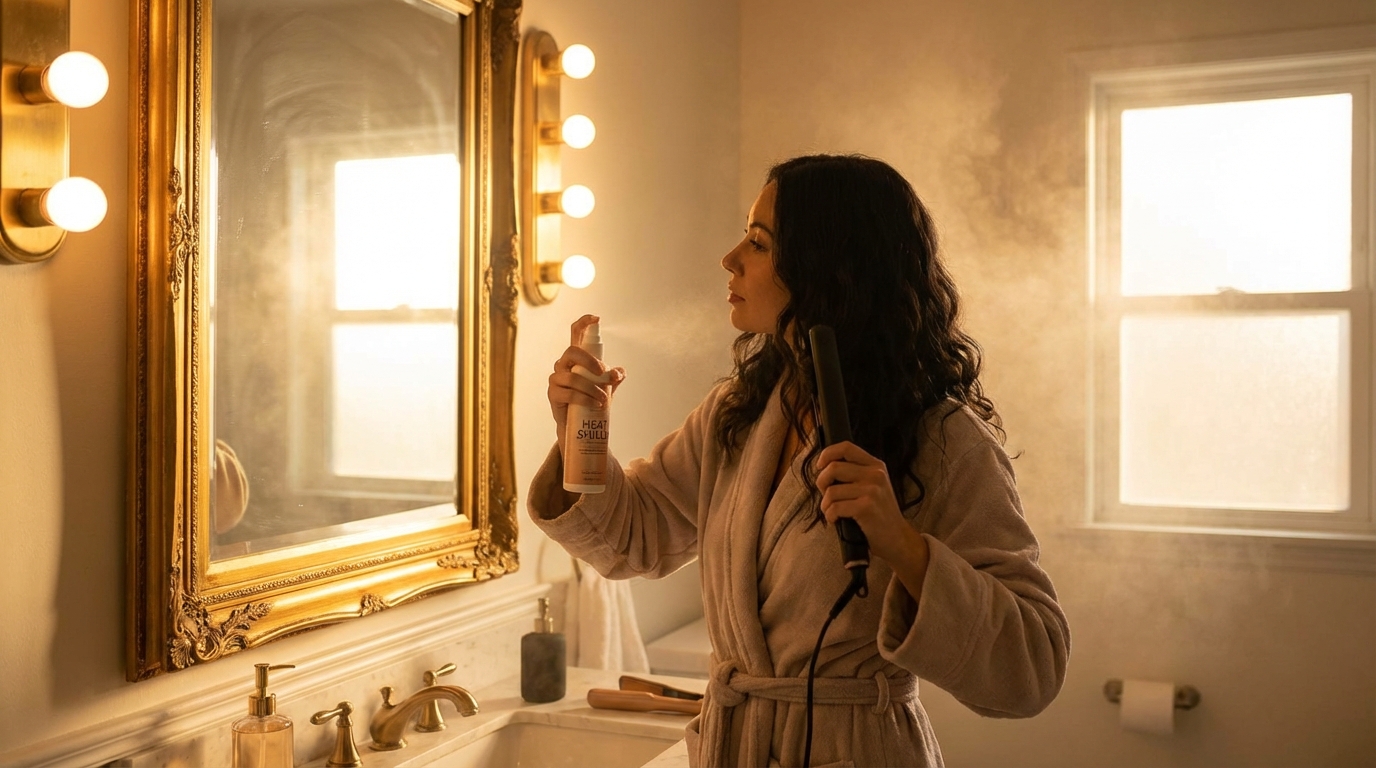
Most hair damage from styling is not from one dramatic incident. It builds up gradually. A flat iron used daily on damp hair, tight elastic bands pulled out carelessly, rough towel drying after every wash. Each of these removes a small amount of integrity from the hair shaft. Over months, that accumulation becomes visible as dullness, frizz, split ends, and breakage.
This guide covers how to style hair effectively while actually protecting it rather than slowly wearing it down.
The Heat Damage Problem
Heat styling tools work by altering the hydrogen bonds in the hair shaft to temporarily change its shape. At high enough temperatures or with repeated exposure, the proteins in the hair cortex can denature, which is permanent damage. The threshold for protein denaturation in hair is around 230 degrees Celsius. Many flat irons can reach this temperature. Fine hair, bleached hair, and chemically treated hair reach damage thresholds at lower temperatures than coarse, untreated hair.
Heat Protectant: Not Optional
Heat protectants form a coating over the hair shaft that distributes heat more evenly and raises the temperature at which damage occurs. They do not make heat styling harmless, but they significantly reduce damage at moderate temperatures. Apply evenly to damp or dry hair before heat styling, focusing on mid-lengths and ends. Wait for the product to absorb before applying heat.
Temperature Settings That Actually Matter
Fine or damaged hair: 120 to 150 degrees Celsius. Medium or normal hair: 150 to 180 degrees Celsius. Thick, coarse, or highly resistant hair: up to 200 degrees Celsius. The habit of cranking any heat tool to maximum is one of the most common and damaging mistakes in hair care. Start lower than you think you need.
Heatless Styling: Better Results Than Most People Expect
Overnight methods, where hair is styled damp and left to set for several hours, produce results that heat styling alone struggles to match in terms of longevity.
Overnight Braids for Waves
Braiding damp hair before sleep and unbraiding in the morning produces natural-looking waves that can last two to three days. Tighter braids produce crimpier waves. Looser braids produce soft beach waves. Mousse or curl cream before braiding improves definition.
Heatless Curl Rods
Silk or foam curl rods produce defined curls overnight without heat. Wrap damp, product-treated sections around the rod, sleep, and unwrap in the morning. Results on straight and wavy hair can be dramatic.
Velcro Rollers
For volume at the roots or soft curls, velcro rollers on slightly damp or freshly blow-dried hair work well. Leave for 20 to 30 minutes then remove and finger-style. Good for adding body to fine, flat hair.
Products and What They Actually Do
Mousse: Adds volume and hold when applied to damp hair before drying. Works well for curly and wavy hair.
Curl cream: Defines curls and reduces frizz while adding moisture. Applied to wet or damp hair. Not suitable for fine hair.
Styling serum: A lightweight product applied to dry or damp hair to smooth frizz and add shine. Does not provide hold.
Hair oil: Applied to dry ends to add shine and reduce frizz. A small amount goes a long way.
Small Habits That Make a Large Difference
Satin or silk pillowcase: Cotton pillowcases create friction that roughens the cuticle overnight. Satin or silk dramatically reduces this and helps maintain styles longer.
Microfiber towel for drying: Regular towels are rough and cause frizz. A microfiber towel or old cotton T-shirt absorbs water gently.
Loose hair ties: Silk scrunchies and fabric hair ties cause significantly less breakage than metal-clasped elastics.
Detangling from ends to roots: Starting at the ends and working upward removes tangles without forcing them down the shaft.
Rest days from heat: Two to three heat-free days per week allows moisture to rebalance and reduces cumulative damage significantly.
Protective Styles
Protective styles like braids, twists, and buns reduce daily manipulation and give hair a genuine rest period. The caveat is maintenance. Leaving braids in too long without moisturizing causes dryness and hairline breakage. Styles worn too tightly cause traction alopecia. Protective does not mean neglected.