Natural Hair Care Routine: Build It Around Your Hair's Porosity
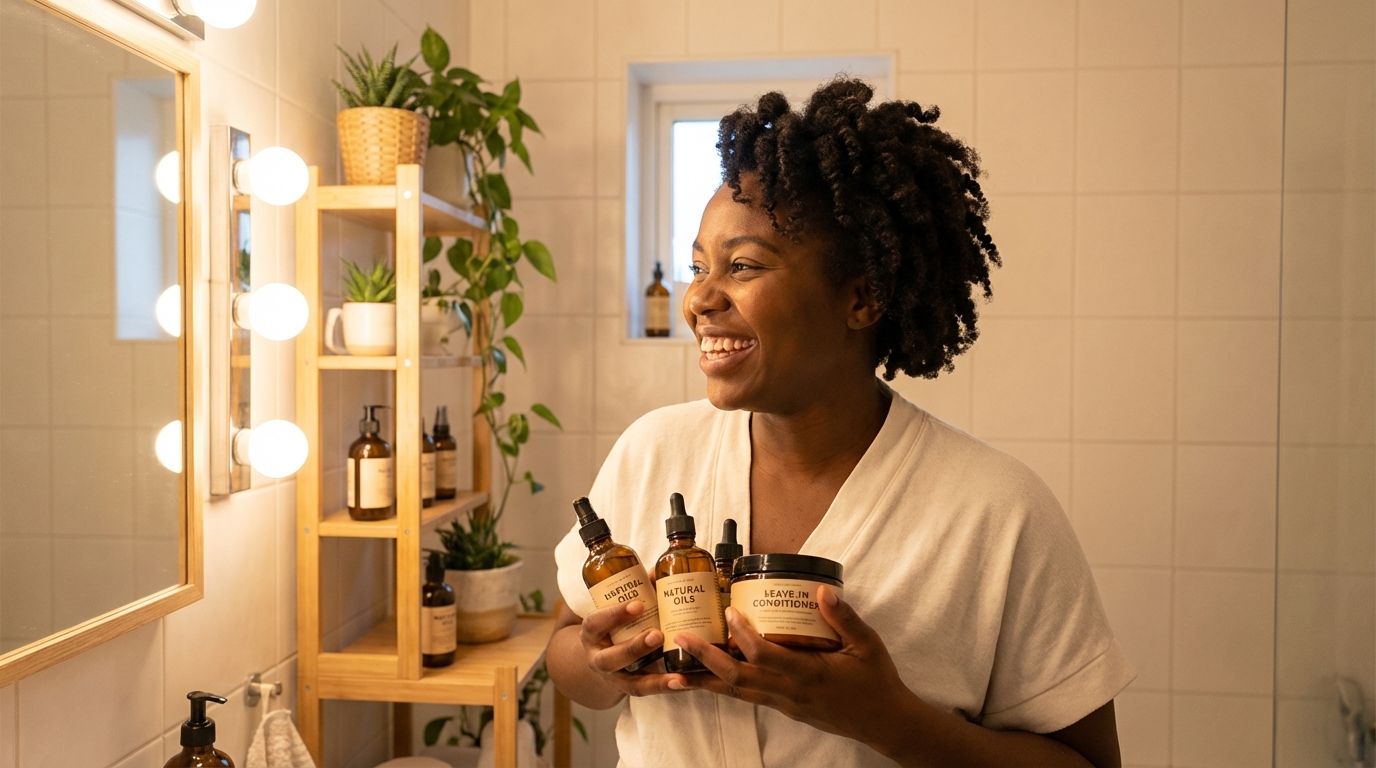
The reason so many natural hair care routines fail is not the products. It is that people are using products without knowing their hair's porosity. The same moisturizing routine that works brilliantly for high-porosity hair can do almost nothing for low-porosity hair. The same oil that makes one person's curls defined and bouncy can make another person's hair feel coated and heavy.
Porosity is the single most useful variable to understand when building a natural hair care routine. Everything else follows from it.
What Is Hair Porosity?
Porosity refers to your hair's ability to absorb and retain moisture. It is determined by the state of the hair cuticle, the outermost layer of the hair shaft. Low porosity hair has tightly closed cuticles that resist letting moisture in. High porosity hair has lifted or damaged cuticles that absorb moisture easily but lose it just as fast. Medium porosity sits in between and is generally the easiest to manage.
Genetics determine your natural porosity level, but chemical treatments, heat styling, and environmental damage can shift hair toward higher porosity over time.
How to Test Your Hair Porosity
The water test is the most accessible method. Take a clean, dry strand of hair (free from product buildup) and drop it into a glass of room-temperature water. Watch for 30 to 60 seconds. If it floats, you likely have low porosity. If it sinks to the bottom quickly, high porosity. If it floats in the middle, medium porosity.
A secondary test: place a drop of water on a strand lying on a flat surface. Low porosity hair beads the water, and it takes a while to absorb. High porosity hair absorbs the water almost immediately.
Low Porosity Hair Care
Low porosity hair is the most misunderstood of the three types. The tightly closed cuticles make moisture absorption difficult, so products tend to sit on the surface rather than penetrating. The key strategy for low porosity hair is heat. Opening the cuticle slightly with warmth before applying conditioning products dramatically improves absorption.
Ingredients that work best: lightweight humectants like glycerin, aloe vera, and honey. Light oils such as argan, almond, and jojoba rather than heavy butters or coconut oil. Low porosity hair is often protein-sensitive. Protein-free formulas are usually better tolerated.
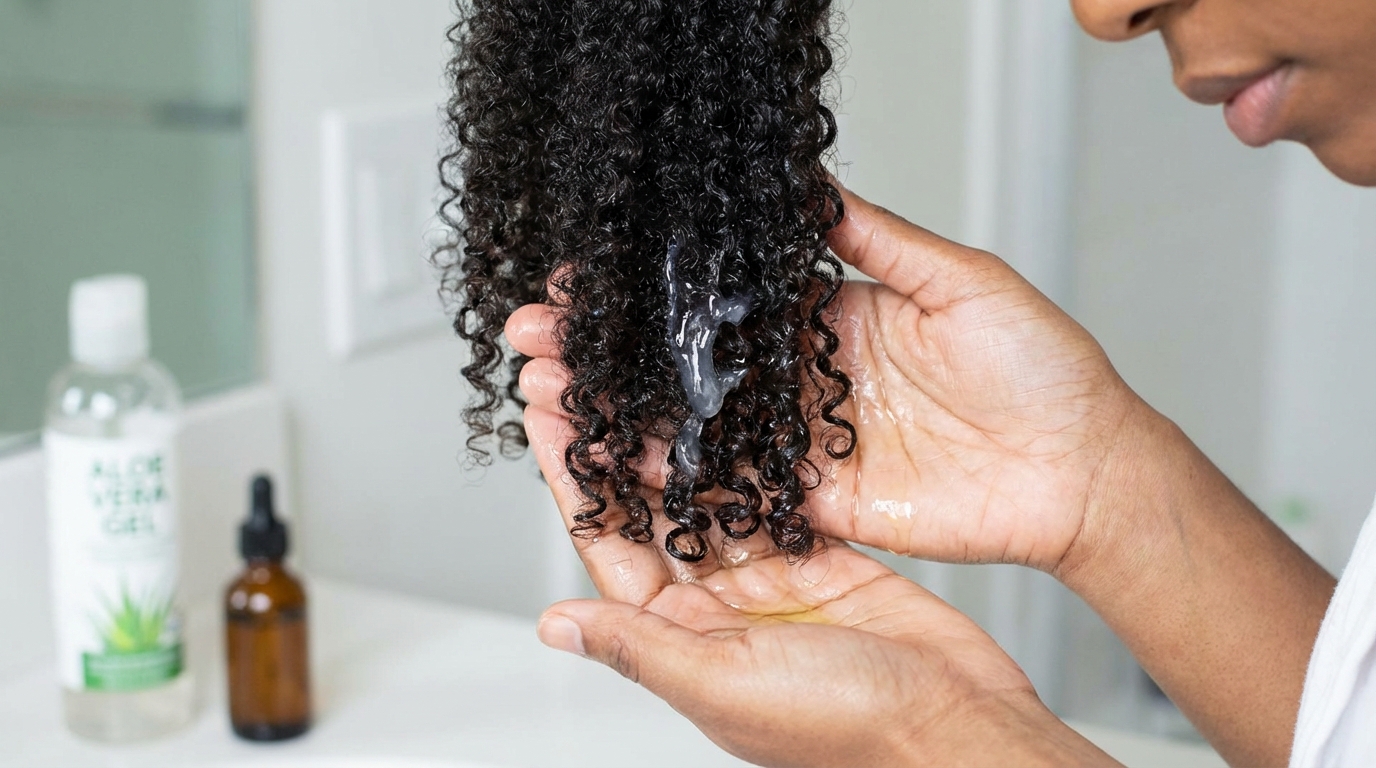
Clarifying regularly matters more for low porosity hair than for any other type. An apple cider vinegar rinse once a month or a clarifying shampoo every few weeks helps reset the scalp and strands.
High Porosity Hair Care
High porosity hair absorbs moisture fast but loses it just as quickly. The strategy here is sealing. Getting moisture in is not the problem. Keeping it in is. The LCO method works well: Liquid (water or a water-based leave-in), Cream (a thicker leave-in or styling cream), Oil (a heavier sealing oil). The oil goes on last to create a barrier over the moisture already applied.
Heavier butters like shea butter and castor oil are appropriate for high porosity hair. Protein treatments every four to six weeks temporarily fill gaps in the lifted cuticle and reduce moisture loss. Cold water rinses help close the cuticle and reduce frizz.
Medium Porosity Hair Care
Medium porosity hair is the easiest to manage. It absorbs and retains moisture at a reasonable rate and responds predictably to most products. The main goal is maintenance. Weekly deep conditioning keeps moisture levels stable. Light protein treatments every four to six weeks prevent structural weakening.
Best Natural Ingredients for All Porosity Types
Aloe Vera
Aloe vera is lightweight, has humectant properties that draw in moisture, and mild anti-inflammatory effects that benefit scalp health. It works well as a leave-in on its own or mixed into DIY treatments and suits all porosity types.
Castor Oil
Castor oil is thick and too heavy for low porosity hair as a daily product, but for high porosity hair as a sealant or mixed into deep conditioning, it adds slip, moisture retention, and scalp support. Jamaican Black Castor Oil may help lift the cuticle and improve product penetration.
Coconut Oil
Coconut oil penetrates the hair shaft rather than just coating it and reduces protein loss during washing. It is not ideal for low porosity or protein-sensitive hair. For medium to high porosity hair used as a pre-poo treatment before shampooing, it genuinely protects against hygral fatigue.
Apple Cider Vinegar
Diluted apple cider vinegar (about one tablespoon per cup of water) removes buildup and restores pH balance after shampooing. It helps close the cuticle, adds shine, and reduces frizz. Use it after conditioning and rinse out after a minute or two.
The LOC and LCO Methods Explained
LOC stands for Liquid, Oil, Cream. LCO is Liquid, Cream, Oil. LOC (oil before cream) works better for lower porosity hair. LCO (oil after cream) works better for high porosity hair because the oil goes on last as a sealant. The point is layering products deliberately to maximize moisture retention rather than applying them randomly.