Skin Care Products: Ingredients That Actually Work
The skincare aisle is overwhelming on purpose. New ingredients get launched constantly, each with its own set of claims. Most of them are variations on themes that have existed for decades. What has not changed much is which ingredients actually have the research behind them.
Retinoids: The Gold Standard
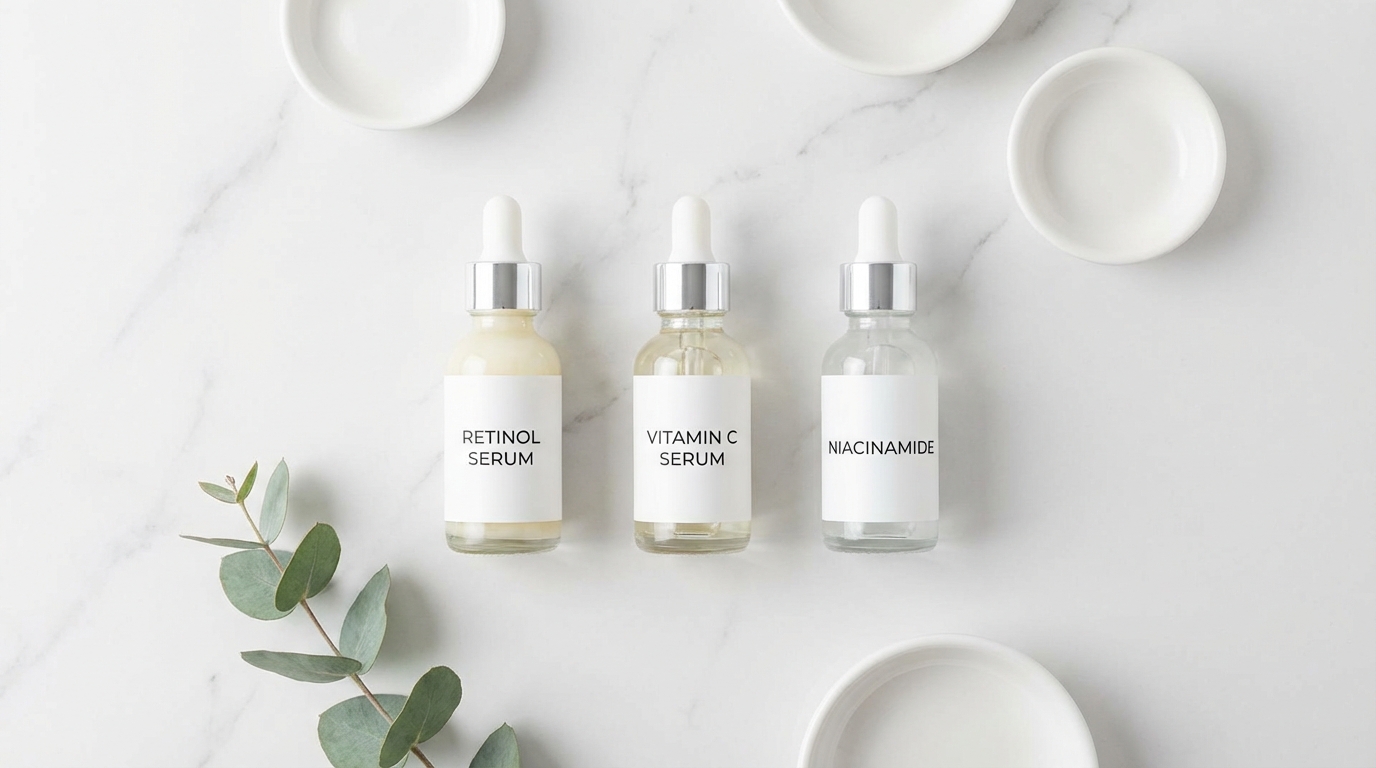
Retinoids are vitamin A derivatives and remain the most thoroughly researched category in skincare. They accelerate cell turnover, stimulate collagen production, unclog pores, and improve uneven skin tone. Retinol is the over-the-counter form. Prescription tretinoin works faster but causes more initial irritation. Starting retinol: use it at night on dry skin, two to three times per week initially. Start with 0.025 to 0.1 percent. The "retinol uglies," a period of flaking and redness in the first four to eight weeks, are normal. Moisturizing before and after (the sandwich method) reduces irritation for beginners.
Vitamin C: Antioxidant and Brightening Agent
Vitamin C (ascorbic acid) protects skin from oxidative damage from UV radiation and pollution, inhibits melanin production to fade hyperpigmentation, and supports collagen synthesis. Applied in the morning under sunscreen, it extends UV protection and reduces free radical damage. The challenge is stability. An oxidized vitamin C serum turns orange-brown and is no longer effective. Store in dark glass bottles with tight seals. L-ascorbic acid at 10 to 20 percent in a pH of 2.5 to 3.5 is the most studied form.
Niacinamide: The Workhorse Ingredient
Niacinamide (vitamin B3) strengthens the skin barrier by increasing ceramide production, reduces trans-epidermal water loss, minimizes pore appearance, reduces redness and inflammation, regulates sebum production, and fades hyperpigmentation. It is one of the most forgiving actives. Well tolerated by most skin types, works in the same routine as most other actives, and can be used morning and night. Five to ten percent concentration is the effective range.
Hyaluronic Acid: Hydration, Not Moisture
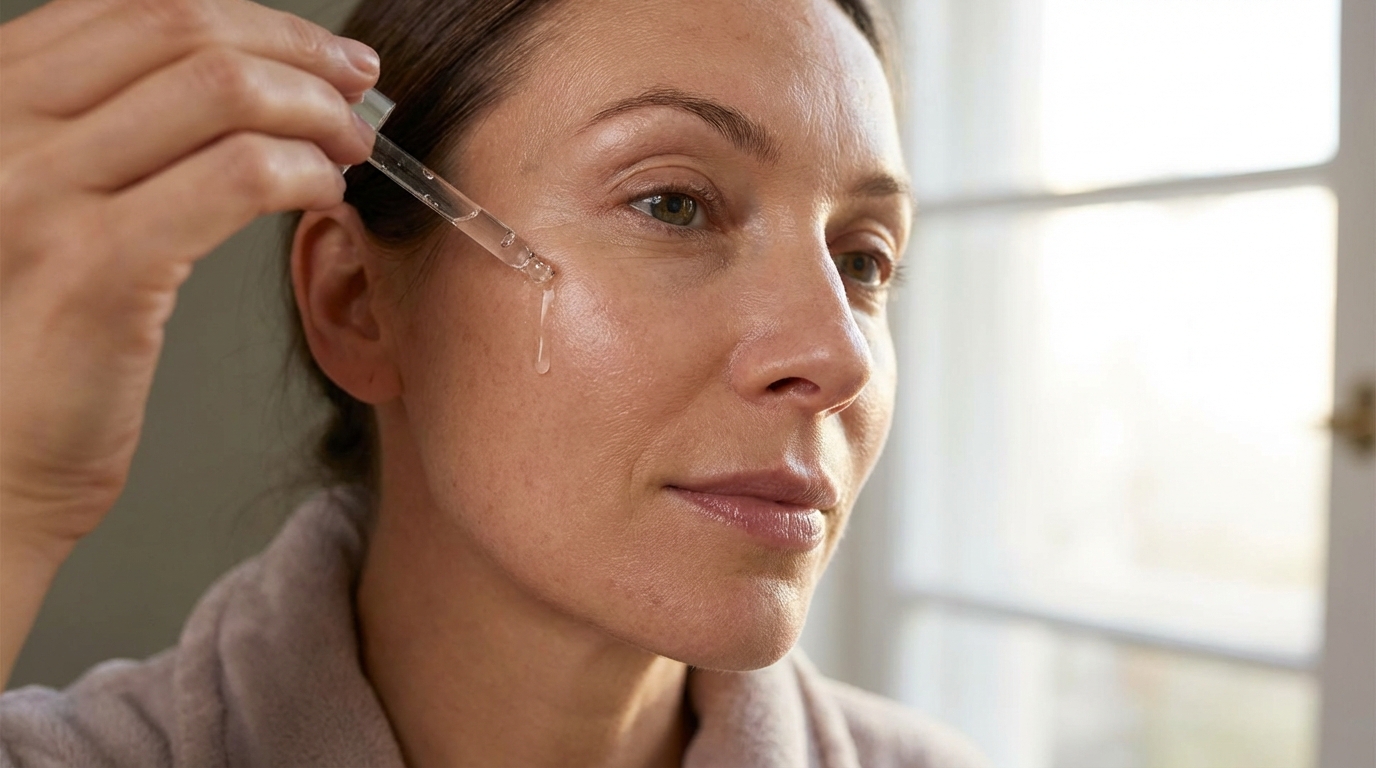
Hyaluronic acid is a humectant that draws water toward itself. Applied to dry skin in a dry environment, it can actually pull moisture out of deeper skin layers. Apply HA to damp skin immediately after cleansing, then seal with a moisturizer before water evaporates. Multi-weight HA formulas with molecules of different sizes work better than single-weight formulas.
AHAs and BHAs: Chemical Exfoliants
AHAs (glycolic and lactic acid) exfoliate the surface by dissolving bonds between dead skin cells. Glycolic acid has the smallest molecule and penetrates most deeply. Lactic acid is gentler and acts as a humectant. BHA (salicylic acid) is oil-soluble and penetrates into pores, making it better for acne, blackheads, and congested skin. AHAs increase sun sensitivity so daytime sunscreen is essential. Apply exfoliants at night, one to two times per week to start.
Ingredients That Should Not Be Used Together
Retinol and AHAs together: Both are active enough that combining them significantly increases irritation risk. Alternate nights.
Vitamin C and AHAs together: Low pH of acid exfoliants can destabilize vitamin C. Use vitamin C in the morning and AHAs at night.
Benzoyl peroxide and retinoids: Benzoyl peroxide can oxidize and inactivate retinol when in direct contact. Use at different times or on alternate nights.
How Long Before Results Show
Hyaluronic acid: immediate surface plumping. Vitamin C: brightening from two to four weeks. Niacinamide: barrier strengthening from two to four weeks, pigmentation improvements from eight to twelve weeks. Retinol: texture improvements from four to eight weeks, significant anti-aging effects from three to six months. Patience with skincare is not optional. Any active ingredient needs at least one full cell turnover cycle to demonstrate meaningful results.